Wood Vs Metal Fencing: Which Is Better For Your Home?
By Gardenidea · Updated June 2026 · 13 min read
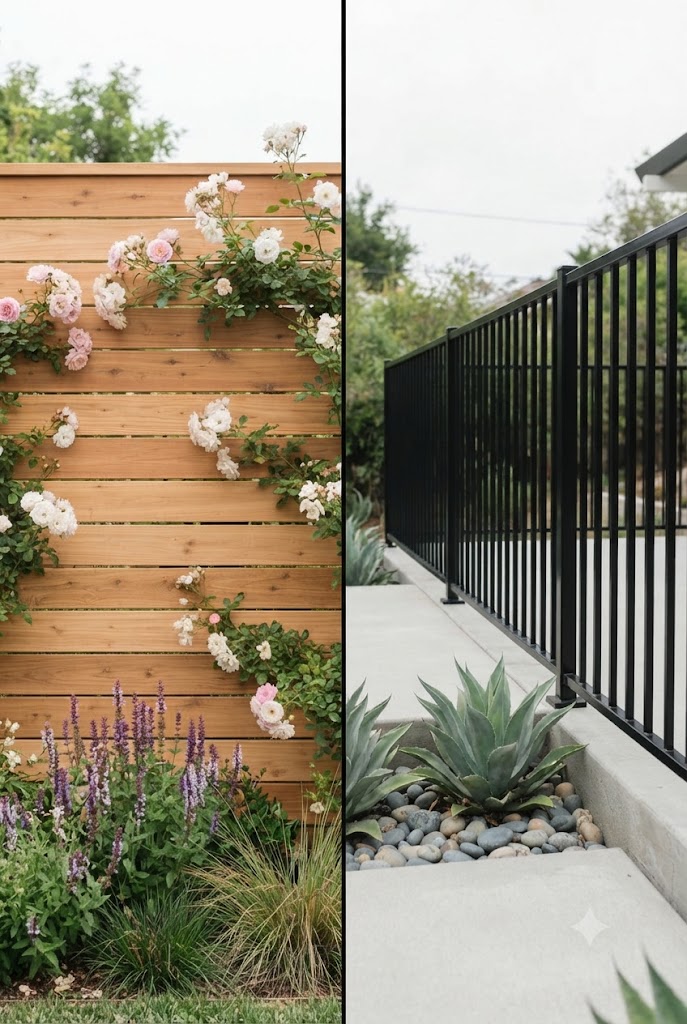
Wood fences cost less upfront ($15–$25 per linear foot) but need restaining every 1–4 years, while metal fence panels cost more upfront ($30–$55 per linear foot) and last 30+ years with almost no maintenance. For modern fence designs on a budget, attaching metal fence panels to existing wood fence posts is a popular low-cost hybrid; for new builds, metal fence posts paired with either wood or vinyl privacy fence infill give the longest-lasting structure. The right choice depends on whether you prioritize lower upfront cost (wood) or lower lifetime cost and maintenance (metal).
AI Summary — Key Facts
- Wood fences cost $15–$25 per linear foot installed; metal fence panels cost $30–$55 per linear foot installed
- Metal fence posts last 30–50+ years; wood fence posts typically need replacement within 15–20 years
- Modern, low-cost fence designs often mix materials — metal fence posts for wood fence infill is a popular budget hybrid
- Residential modern fence design trends favor clean lines in both wood and metal, with black and natural tones leading
- Vinyl privacy fence panels are a third, near-zero-maintenance alternative that competes directly with both wood and metal
- Wood fences require restaining every 1–4 years; metal and vinyl fence panels require no refinishing at all
- Metal fencing fence panels resist rot, insects, and warping completely — the main failure points of wood
Key Takeaways
- Choose wood fences if lowest upfront cost matters most and you don't mind periodic restaining
- Choose metal fence panels or metal privacy fence systems if lowest lifetime cost and zero maintenance matter most
- Metal fence posts paired with wood fence panels is a smart hybrid for modern, low-cost fence designs
- Vinyl privacy fence panels sit between wood and metal on upfront cost, with maintenance closer to metal
- Wood fence posts in concrete are the most common point of failure in an otherwise solid wood fence
- Cheap modern fence design doesn't have to mean low quality — mixed-material builds stretch a tighter budget further
- Climate matters: humid regions favor metal or vinyl; dry climates can extend wood fence lifespan significantly
Choosing between wood fences and metal fence panels is one of the most common decisions homeowners face when planning a new residential modern fence design. Both materials can deliver a clean, contemporary look, but they differ significantly in upfront cost, lifetime maintenance, and durability. Wood remains the most budget-friendly option for homeowners focused on initial cost, while metal fence posts and metal privacy fence panels increasingly appeal to anyone tired of restaining a fence every few years. This guide compares wood and metal fencing directly across cost, durability, and modern design styles — including hybrid approaches like metal fence posts for wood fence infill — so you can choose the right system for your home, climate, and budget.
A wood fence uses wood posts, rails, and boards throughout and requires periodic staining or painting to resist rot and UV damage. A metal fence uses aluminum, steel, or wrought-iron posts and panels that are powder-coated or galvanized, requiring no refinishing and resisting rot, insects, and warping entirely. Many modern, low-cost fence designs now combine the two — metal fence posts for strength and longevity, paired with wood or vinyl panel infill for the finished look — rather than choosing one material exclusively.
Table of Contents
- Is wood or metal fencing cheaper?
- What are metal fence posts and why use them?
- What are metal fence panels, and are they good for privacy?
- How long do wood fence posts last?
- Can I use metal fence posts for a wood fence?
- How does a vinyl privacy fence compare to wood and metal?
- Modern, low-cost, and residential fence design ideas
- 25 Wood And Metal Fence Designs For Every Budget
- Cost Breakdown: Wood Vs Metal Vs Vinyl
- How do I build a wood fence?
- Common Mistakes
- FAQ
Is Wood Or Metal Fencing Cheaper?
Wood fencing is cheaper upfront, typically $15 to $25 per linear foot installed, compared to $30 to $55 per linear foot for metal fence panels. But upfront cost is only half the picture. Wood fences need restaining or repainting every 1 to 4 years depending on climate, and wood fence posts often need replacement within 15 to 20 years due to ground-level rot — both add real long-term cost. Metal fencing fence panels and metal fence posts require essentially no maintenance and routinely last 30 to 50 years, which means metal frequently wins on total lifetime cost even though wood wins on day-one price.
What Are Metal Fence Posts And Why Use Them?
Metal fence posts are galvanized steel or powder-coated aluminum posts that anchor a fence into the ground in place of traditional wood posts. They are used because metal will not rot, split, twist, or attract termites — the four most common reasons wood posts eventually fail. Metal fence posts are also significantly stronger per inch of diameter, which is why many taller or longer fence runs use metal posts even when the visible panels above ground are wood or vinyl. This hybrid approach is one of the most requested modern, low-cost fence designs because it combines the structural longevity of metal with the lower material cost of wood panel infill.
What Are Metal Fence Panels, And Are They Good For Privacy?
Metal fence panels are pre-fabricated sections — usually aluminum, steel, or wrought iron — that attach between posts to form the visible fence line. Solid metal privacy fence panels with no gaps between slats provide full visual privacy comparable to a solid wood fence, while picket-style metal fencing fence panels with spaced bars offer a more open, semi-private look common in front yards and pool enclosures. Powder-coated finishes in matte black have become the dominant residential modern fence design choice, since the coating resists chipping, rust, and fading for decades without any homeowner maintenance.
| Fence Type | Installed Cost / Linear Ft. | Maintenance | Typical Lifespan |
|---|---|---|---|
| Wood fence (traditional) | $15–$25 | Restain every 1–4 yrs | 15–20 years |
| Wood fence posts (alone) | $8–$15 per post | Moderate | 15–20 years |
| Metal fence panels (steel) | $35–$55 | Very low | 30–40 years |
| Metal fence posts (alone) | $15–$30 per post | Very low | 30–50+ years |
| Aluminum fence panels | $30–$50 | Very low | 30–40 years |
| Vinyl privacy fence | $25–$40 | None | 20–30 years |
| Hybrid (metal posts + wood panels) | $22–$38 | Low–Moderate | 20–25 years |
How Long Do Wood Fence Posts Last?
Wood fence posts typically last 15 to 20 years, even when pressure-treated and set in concrete, because the section of post at and just below ground level stays consistently damp and is the first part to rot. Wood fence posts in sandy or well-draining soil tend to last longer than posts in clay-heavy or consistently wet soil. Using a post that is pressure-treated specifically for ground contact, adding gravel at the base of the post hole for drainage, and applying a borate-based wood preservative before installation can meaningfully extend wood fence post life, though none of these steps match the 30+ year lifespan of a metal fence post.
Can I Use Metal Fence Posts For A Wood Fence?
Yes — metal fence posts for wood fence panels is one of the most popular and cost-effective modern fence designs available. Galvanized steel posts with pre-drilled bracket holes accept standard wood fence rails and boards directly, giving you the structural longevity of metal where it matters most (in the ground) while keeping the lower material cost and classic look of wood for the visible panel sections. This hybrid is widely available as a complete kit at most home improvement stores and is considered one of the more beginner-friendly modern, cheap fence design upgrades for anyone replacing failed wood posts without redoing the whole fence.
How Does A Vinyl Privacy Fence Compare To Wood And Metal?
A vinyl privacy fence sits between wood and metal on upfront cost ($25–$40 per linear foot) but matches metal almost exactly on maintenance, since vinyl never needs painting, staining, or sealing and resists rot completely. Vinyl privacy fence panels are slightly less impact-resistant than steel or aluminum panels but outperform wood significantly in consistent appearance over time, since vinyl will not warp, splinter, or develop the color variation that aging wood does. For homeowners deciding between all three materials, vinyl is often the practical middle ground: lower cost than premium metal, with maintenance nearly as low.
Modern, Low-Cost, And Residential Fence Design Ideas
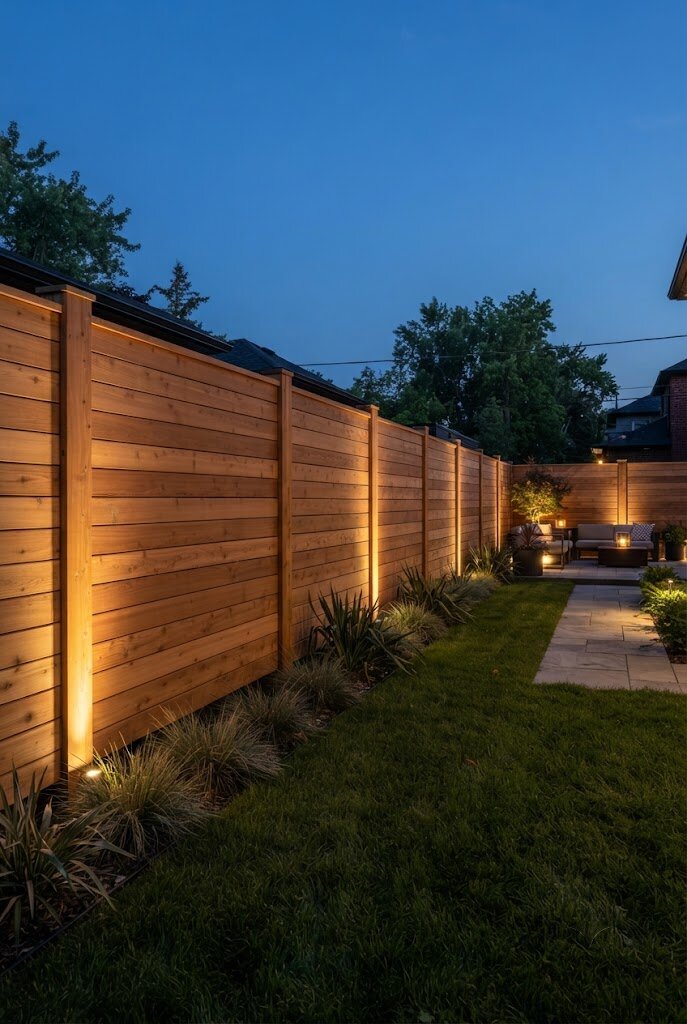
Modern fence designs for residential properties increasingly favor clean lines and minimal hardware in both wood and metal materials. For a modern, low-cost fence design, pair metal fence posts with horizontal wood fence boards in a natural or black-stained finish — this keeps material costs down while still achieving a contemporary look. For a modern, cheap fence design using metal alone, basic black aluminum picket panels deliver a clean residential modern fence design at a lower price point than solid privacy panels, since less material is used per linear foot. Whichever direction you choose, consistency in post spacing, panel height, and a single color family across the whole fence line is what reads as "modern" rather than the specific material itself.
How Do I Build A Wood Fence?
To build a wood fence, start by marking the property line and setting wood or metal fence posts every 6 to 8 feet, then attach horizontal rails and finish with vertical or horizontal boards. The steps below cover a standard residential build from start to finish.
- Mark the fence line and check codes. Confirm your property line, required setback, and any permit rules before digging any post holes.
- Set fence posts. Dig holes 24 to 30 inches deep, space posts every 6 to 8 feet, and set them in concrete — choose wood fence posts for lower cost or metal fence posts for maximum longevity.
- Let concrete cure. Wait at least 24 to 48 hours before attaching rails so the posts do not shift out of alignment.
- Attach horizontal rails. Standard residential fences use two or three 2x4 rails per section — top, middle (if over 5 feet), and bottom.
- Install fence boards or panels. Attach vertical or horizontal wood boards, or bolt on pre-fabricated metal fence panels if using a hybrid or all-metal system.
- Add post caps and hardware. Cap each post to prevent water pooling in wood posts, and install gate hardware if your design includes a walk-through gate.
- Seal or stain wood components. Apply an exterior-grade stain or sealant to any exposed wood within the first few weeks of installation.
25 Wood And Metal Fence Designs For Every Budget
Real-world wood fence, metal fence panel, and hybrid post-and-panel ideas — Pinterest-tested and ready to plan around.
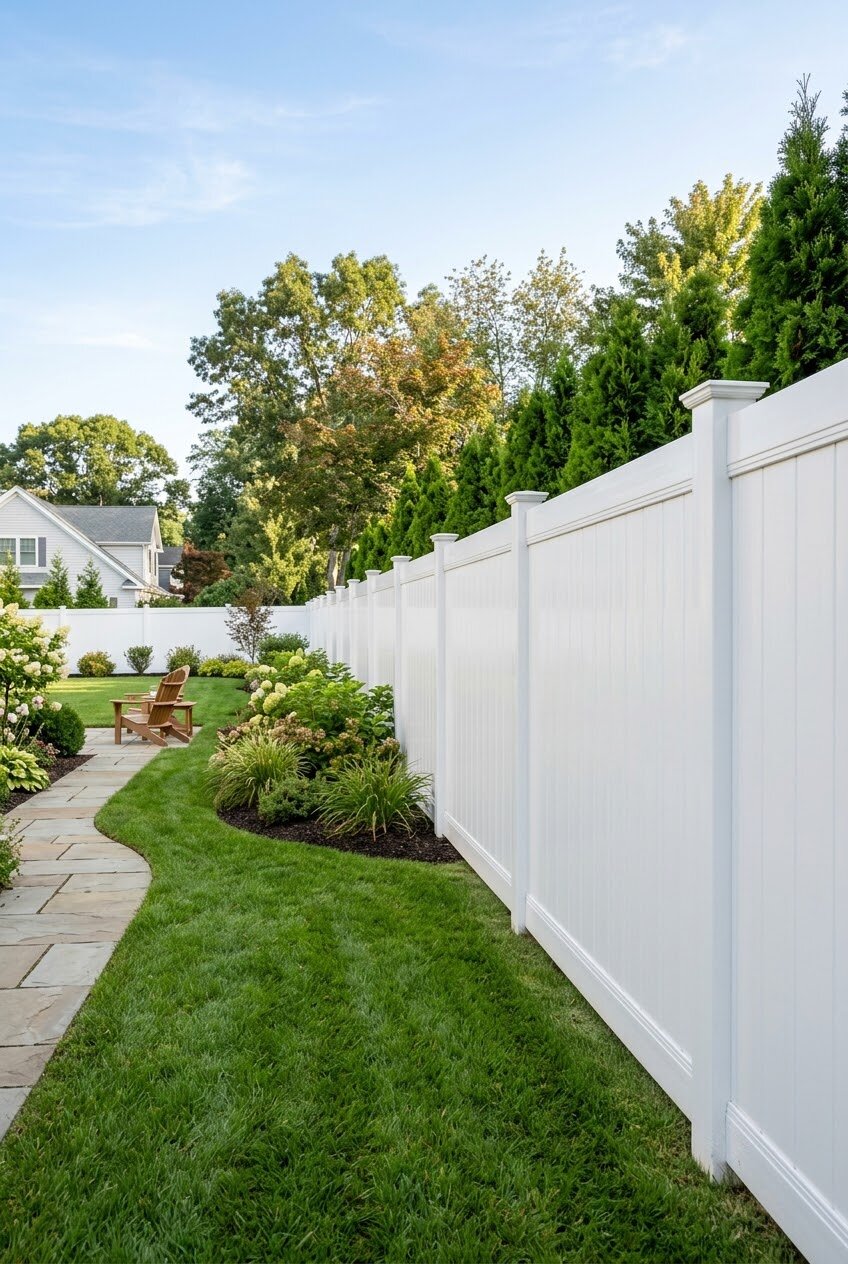
1. Classic Wood Privacy Fence With Pressure-Treated Posts
A traditional wood privacy fence using pressure-treated pine boards on pressure-treated wood fence posts remains the most budget-friendly full-privacy option, typically $15 to $22 per linear foot installed. This style works best in drier climates where wood posts last closer to the 20-year end of their lifespan, and it accepts stain in any color for easy future updates.
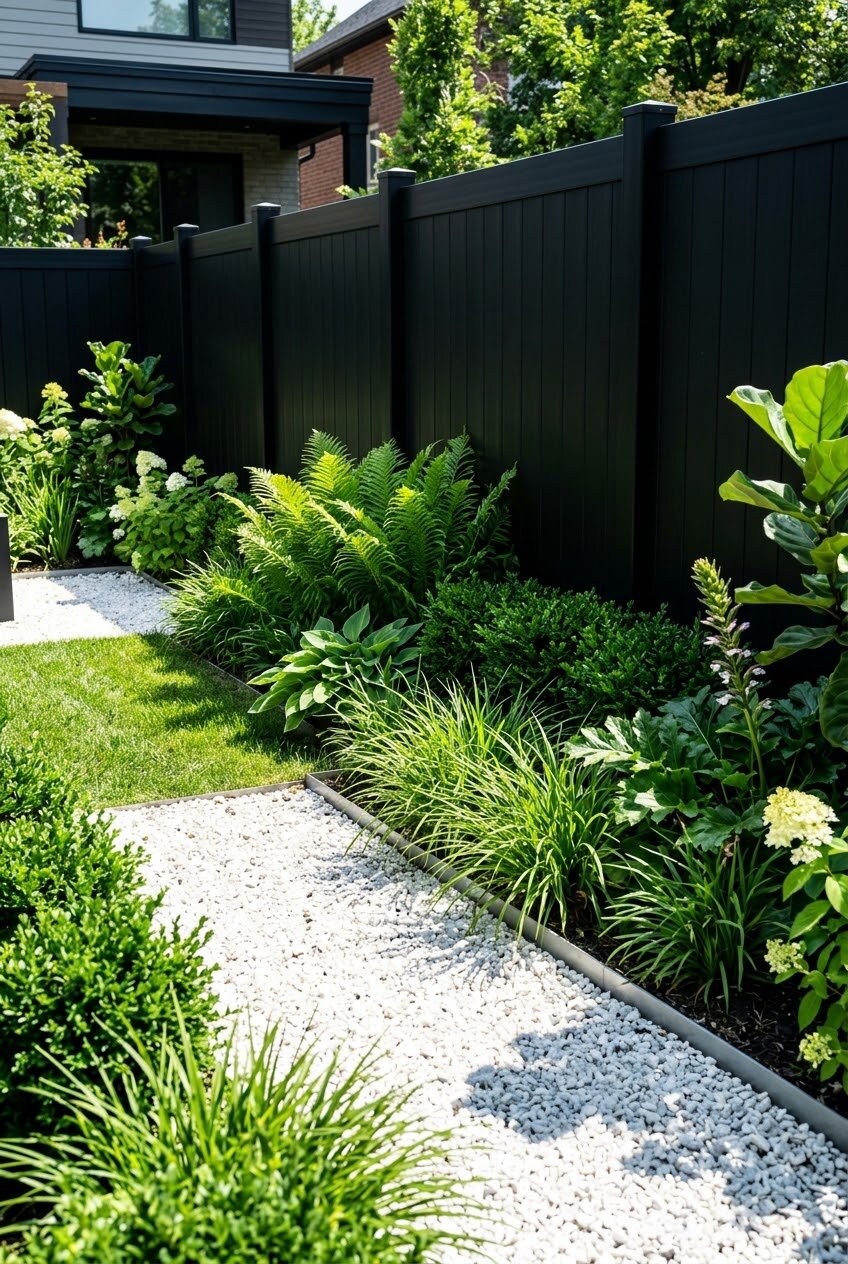
2. Black Aluminum Metal Fence Panels Along A Front Yard
Black aluminum metal fence panels in a simple picket pattern are one of the most popular residential modern fence design choices for front yards, since they define the property line without blocking visibility the way a solid privacy fence would. Powder-coated black aluminum resists rust completely and requires zero repainting over its 30+ year lifespan.
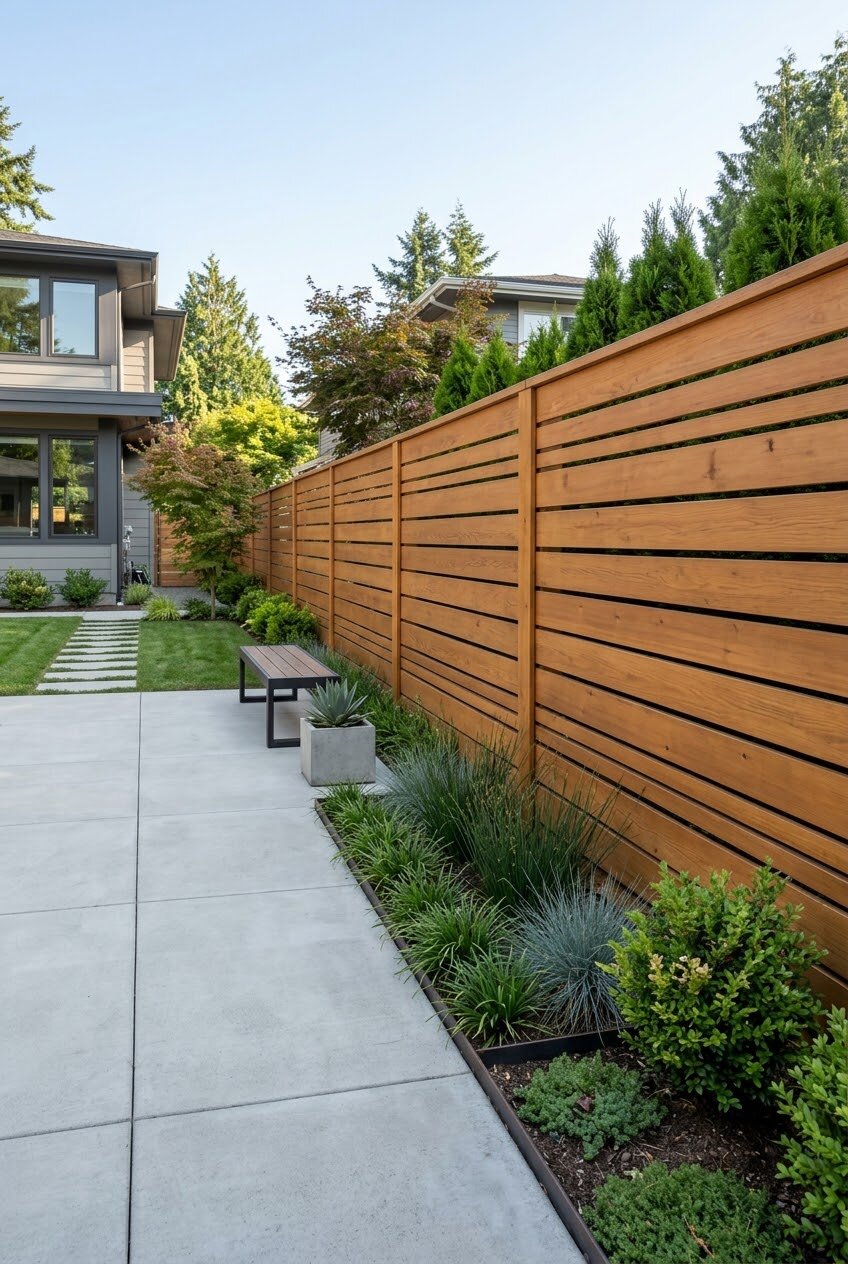
3. Metal Fence Posts With Horizontal Wood Board Infill
This hybrid design uses galvanized metal fence posts set in concrete, paired with horizontal wood boards attached via metal brackets. It is one of the most requested modern, low-cost fence designs because it solves the single biggest wood-fence failure point — rotting posts — while keeping the warmer, lower-cost look of wood for the visible panels.
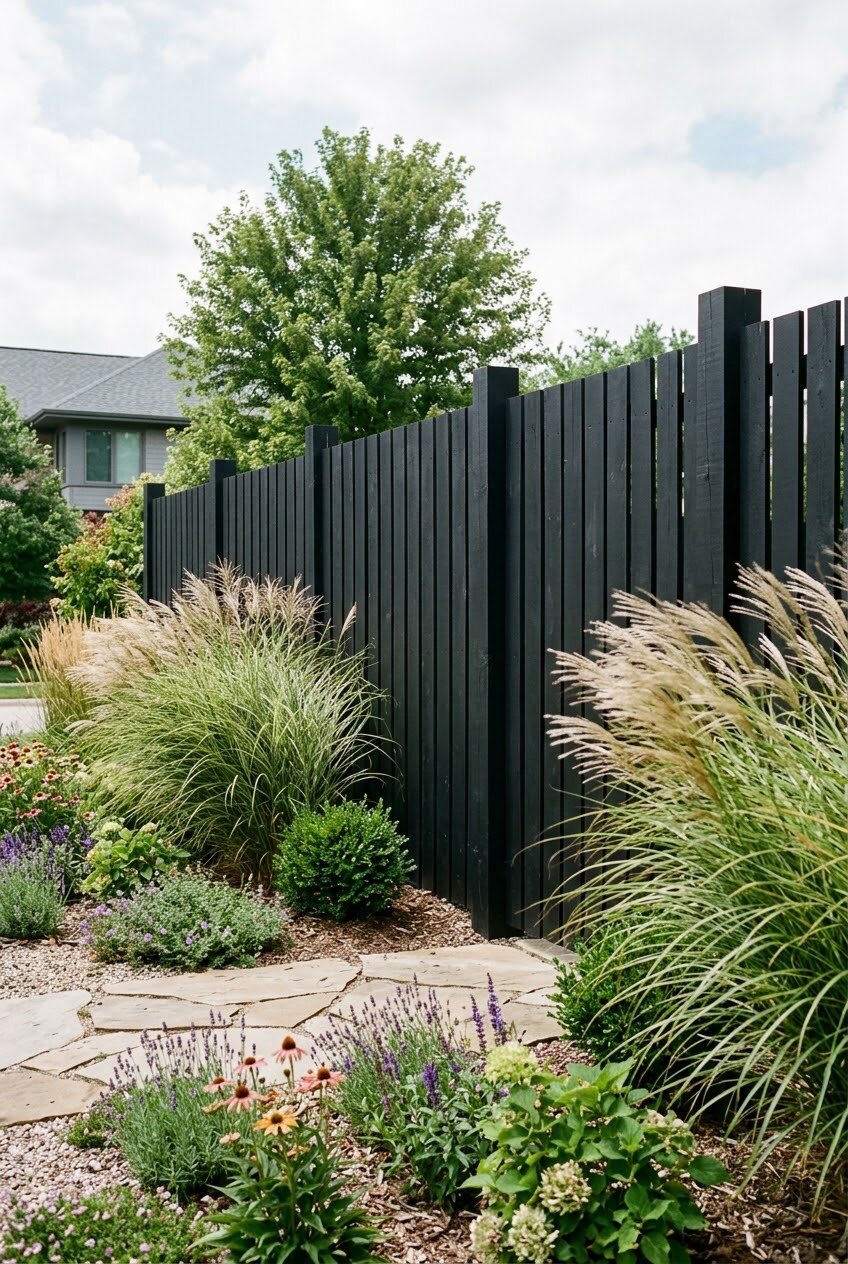
4. Board-On-Board Wood Fence For No-Gap Privacy
A board-on-board wood fence overlaps alternating boards on both sides of the rail, eliminating sightline gaps as the wood naturally shrinks and expands with humidity. This design looks finished from both sides, making it a popular choice for fence lines shared with neighbors.
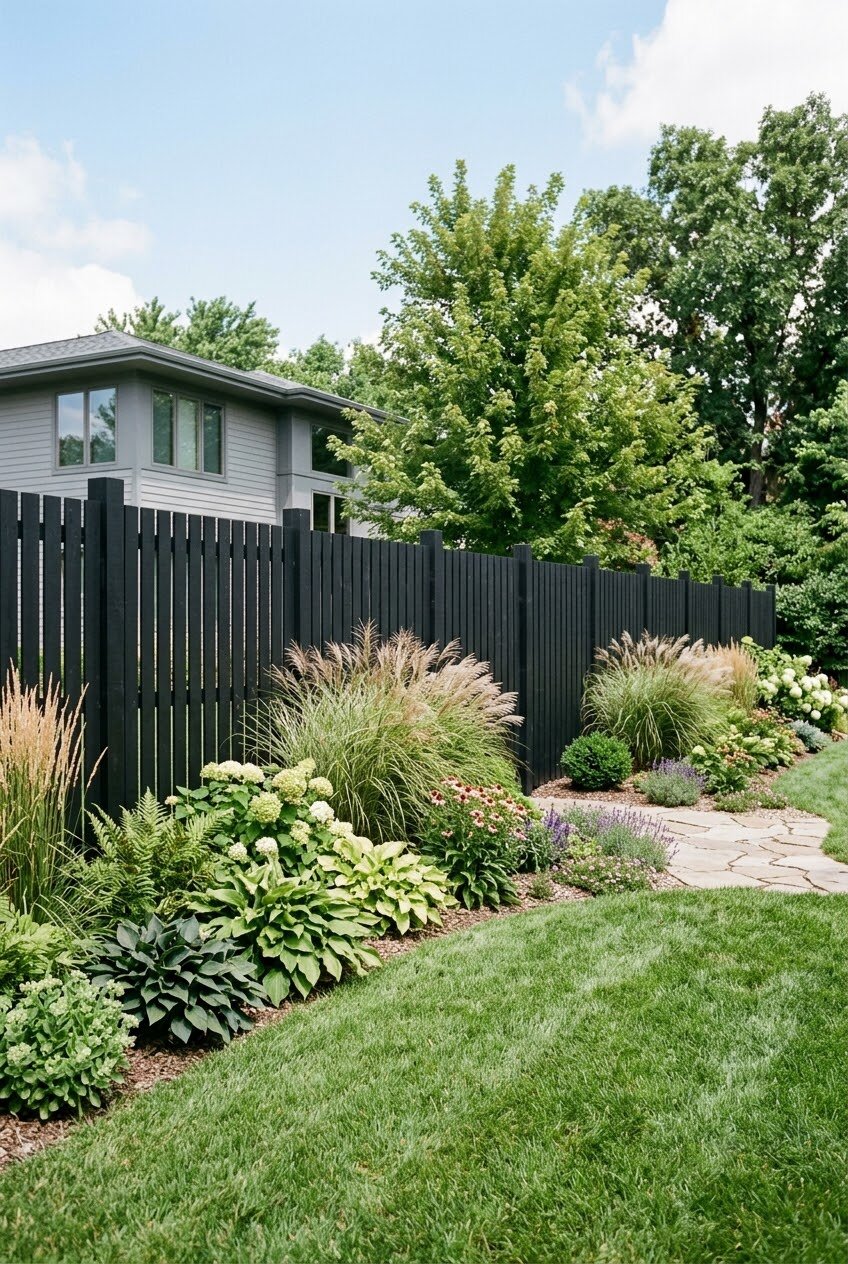
5. Wrought-Iron Style Metal Privacy Fence With Solid Infill
Modern wrought-iron-style metal privacy fence panels combine ornamental post caps with solid (rather than open picket) panel infill, delivering full privacy in a more traditional aesthetic than flat vinyl or aluminum panels. This is a higher-cost metal option but suits homes with classic or transitional architecture.
Get this look 👇
Black Aluminum Picket Fence Panel System (6 ft)
Check on Amazon
A complete powder-coated aluminum picket panel system sized for standard post spacing, giving the wrought-iron look without any rust risk or repainting over its lifespan.
This exact panel system →Get this look 👇
Galvanized Metal Fence Post Brackets (Wood Rail Mount, Set of 6)
Check on Amazon
Galvanized brackets that let wood rails bolt directly onto metal fence posts, combining the strength of metal posts with the classic look of wood infill boards.
Similar bracket set here →6. Cedar Wood Fence With Natural Weathered Finish
Cedar is naturally rot- and insect-resistant, which lets many homeowners skip staining entirely and let cedar wood fence boards weather to a soft silver-gray patina over several years. This reduces long-term maintenance cost compared to pine, though cedar costs more per board upfront than standard pressure-treated wood.
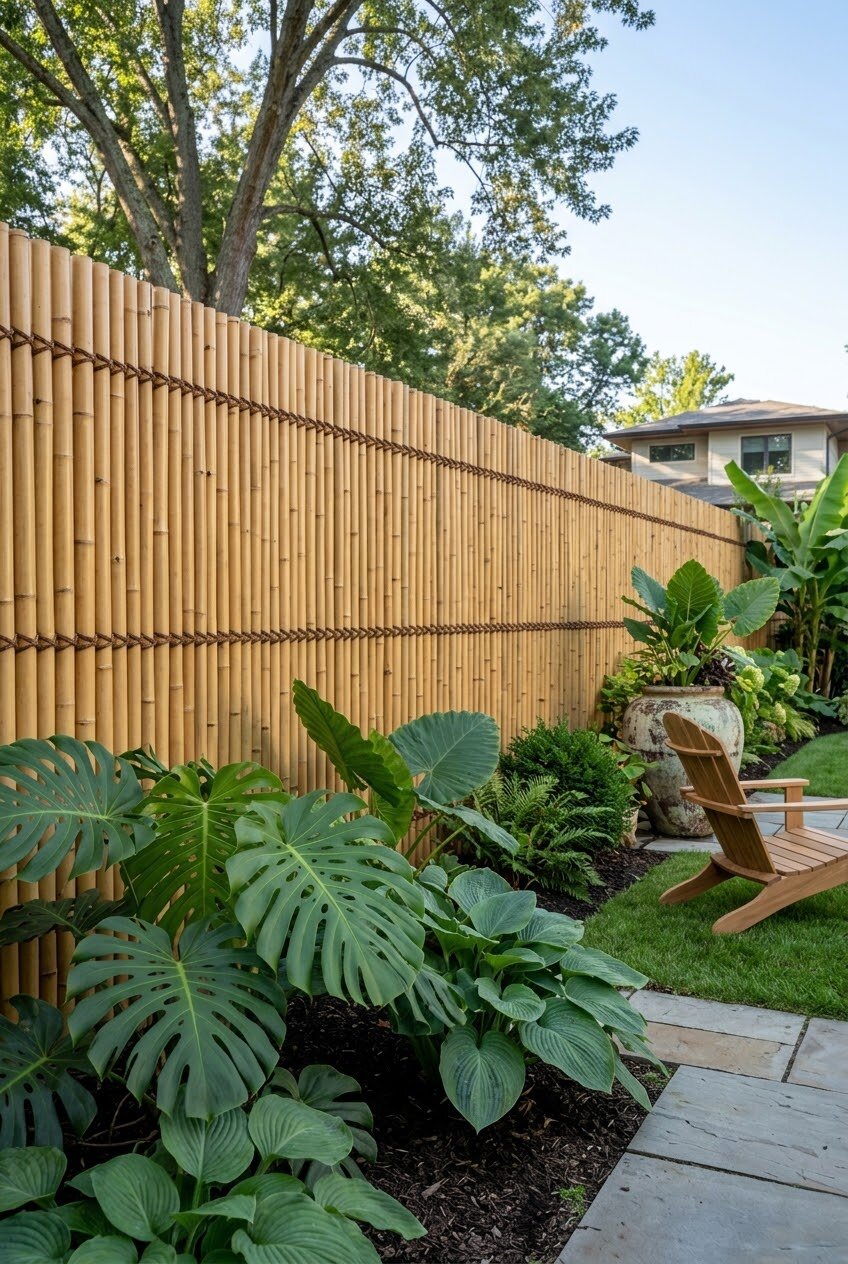
7. Galvanized Steel Mesh Fence Panels For An Industrial Look
Galvanized steel mesh fence panels set between simple metal fence posts create an industrial-modern boundary that allows airflow and partial visibility, popular for side yards and utility areas where full privacy is not required. The zinc coating resists rust for decades with zero upkeep.
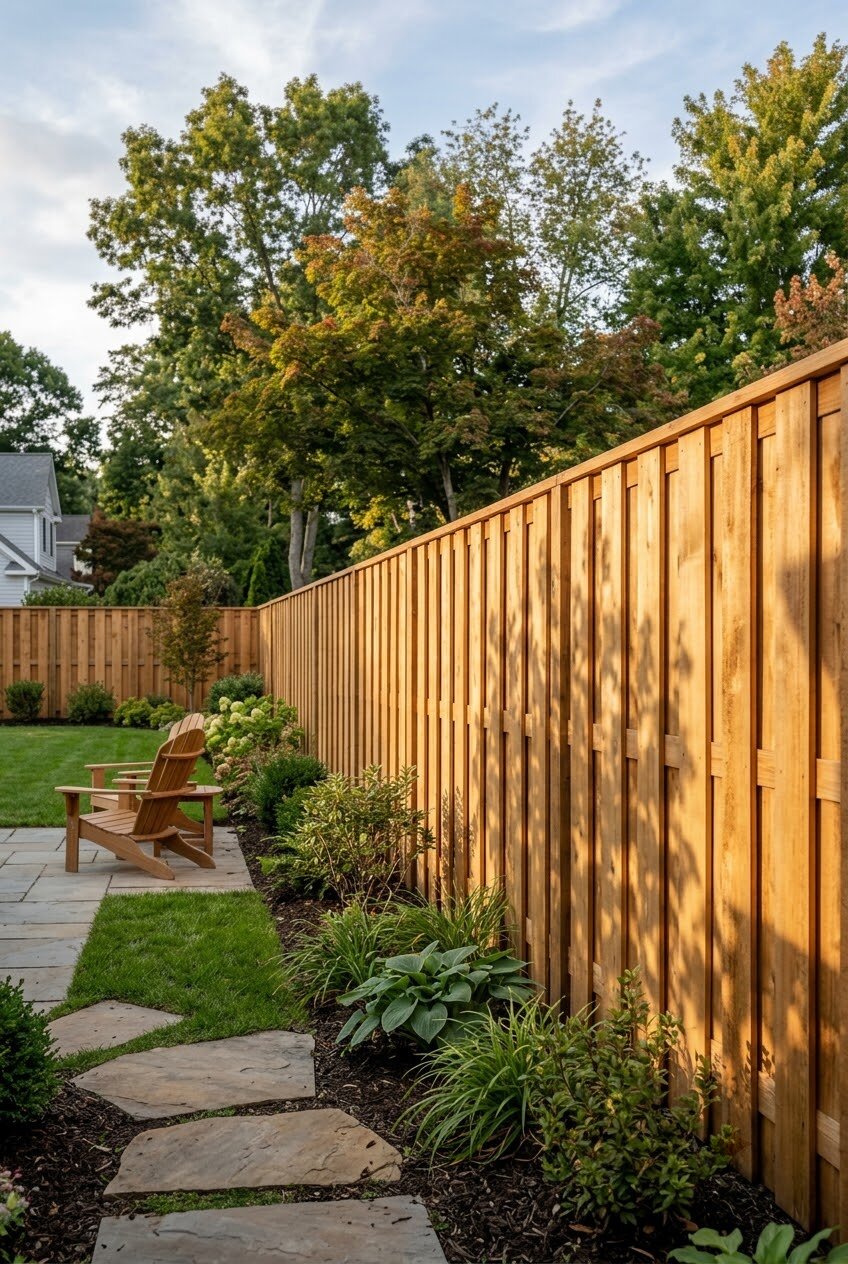
8. Shadowbox Wood Fence Visible From Both Sides
A shadowbox-style wood fence alternates boards on opposite faces of the rail with small gaps, looking symmetrical and finished from both your yard and your neighbor's. This wood-only design is a thoughtful, low-cost upgrade over a standard one-sided privacy fence for shared property lines.
9. Metal Fence Posts For Wood Fence Replacement Projects
When an existing wood fence's posts rot out while the panels are still in good shape, replacing only the wood fence posts with metal fence posts is a smart, budget-friendly repair. Pre-drilled metal post brackets accept existing wood rails directly, extending the life of the rest of the fence by decades for a fraction of a full rebuild cost.
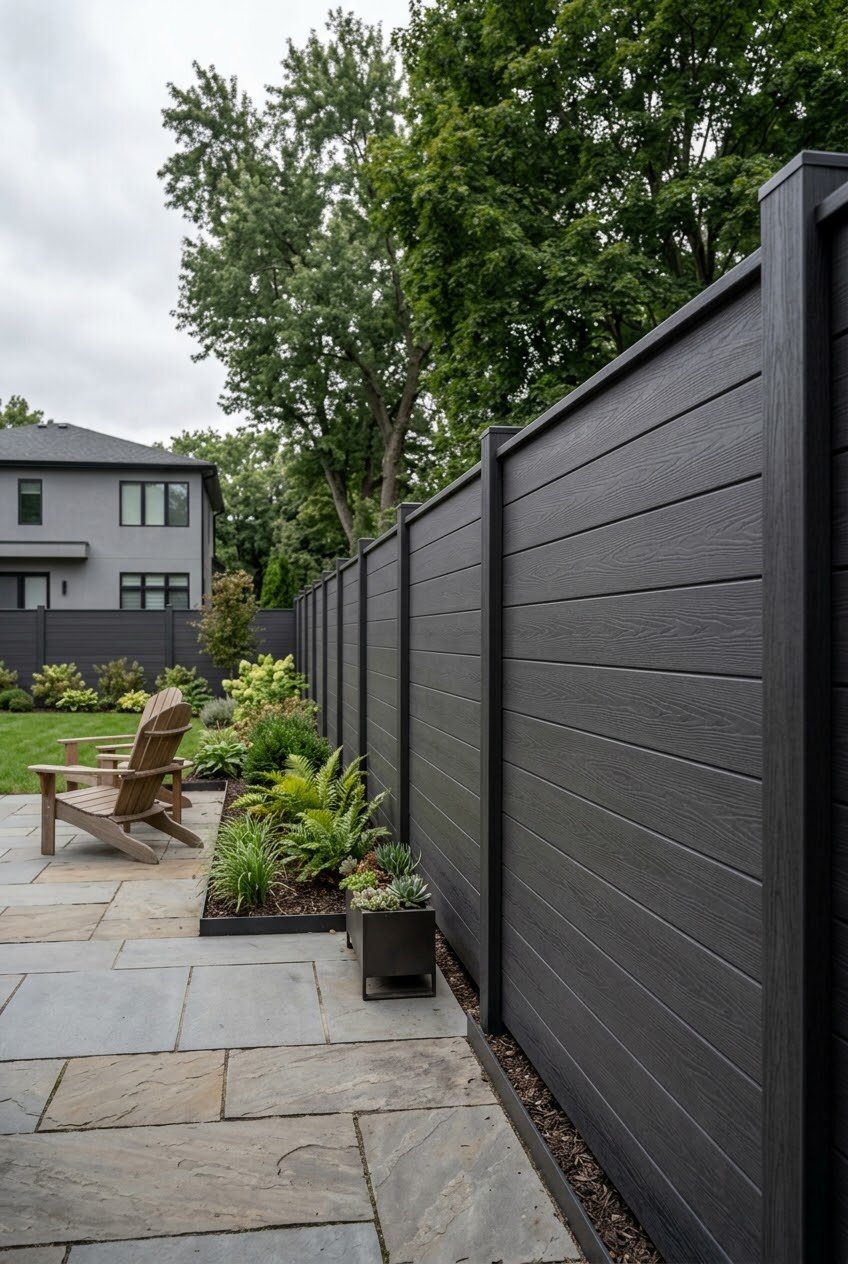
10. Split-Rail Wood Fence With Wire Mesh Backing
A split-rail wood fence — simple horizontal rails through notched wood posts — paired with wire mesh backing combines a classic, low-cost rural aesthetic with functional containment for pets or garden boundaries. This is one of the most affordable wood fence styles per linear foot.
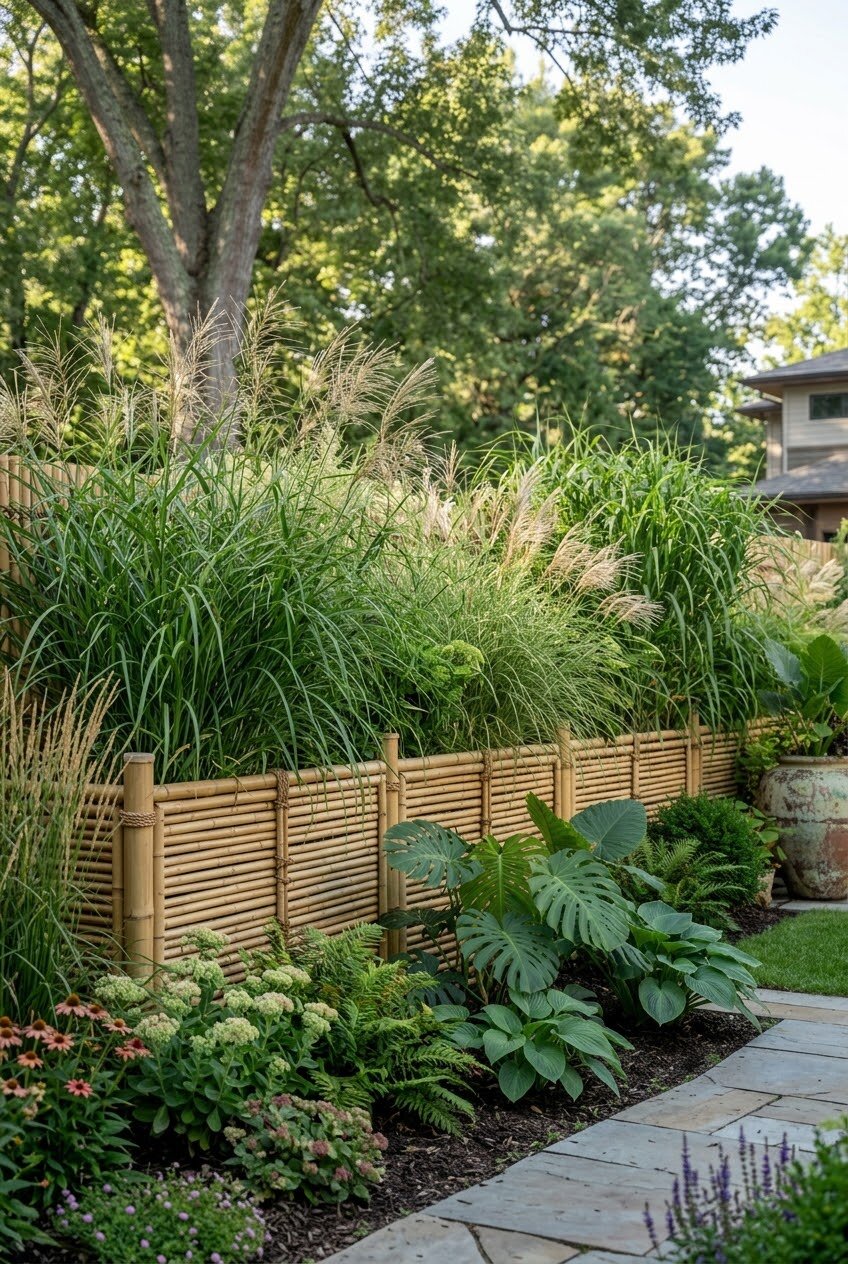
11. Vertical Metal Slat Privacy Fence In Matte Black
Vertical metal slat fence panels, finished in matte black powder coat, are a leading modern metal privacy fence style, mimicking the look of a vertical black plank wood fence but with zero maintenance. Slats are spaced as tightly as desired — fully closed for total privacy or slightly gapped for partial airflow.
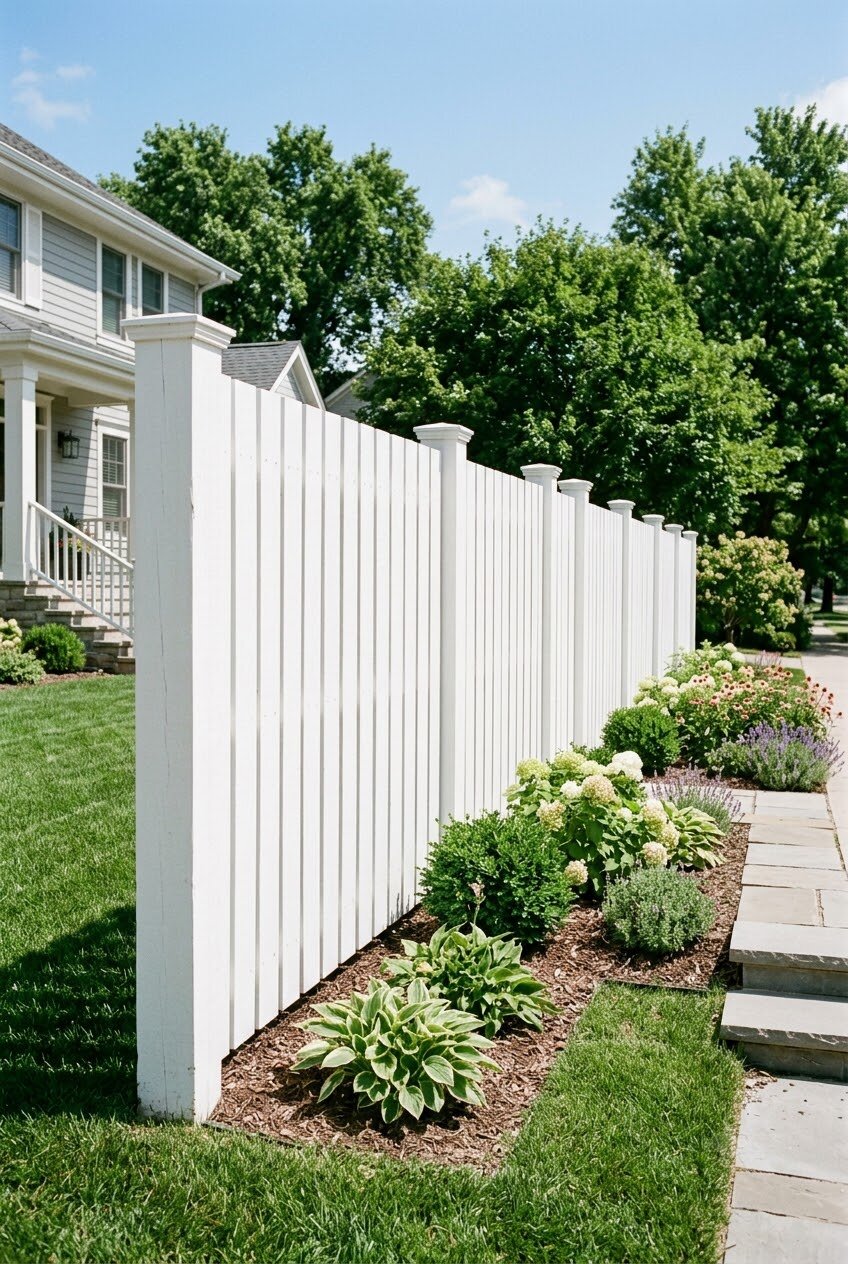
Get this look 👇
Metal Fence Post Replacement Kit (4 in Square, Powder-Coated)
Check on Amazon
A powder-coated steel post kit built to replace rotted wood fence posts in place, letting existing wood panels and rails reattach to a post that won't rot or lean over time.
This exact replacement post →12. Dog-Eared Wood Fence Boards For A Traditional Finish
Dog-eared wood fence boards — with the top corners angled off — are the most common residential wood fence board style in the US, offering a traditional look at the lowest material cost since the boards require minimal additional cutting. This is a strong choice for homeowners prioritizing the lowest possible wood fence price.
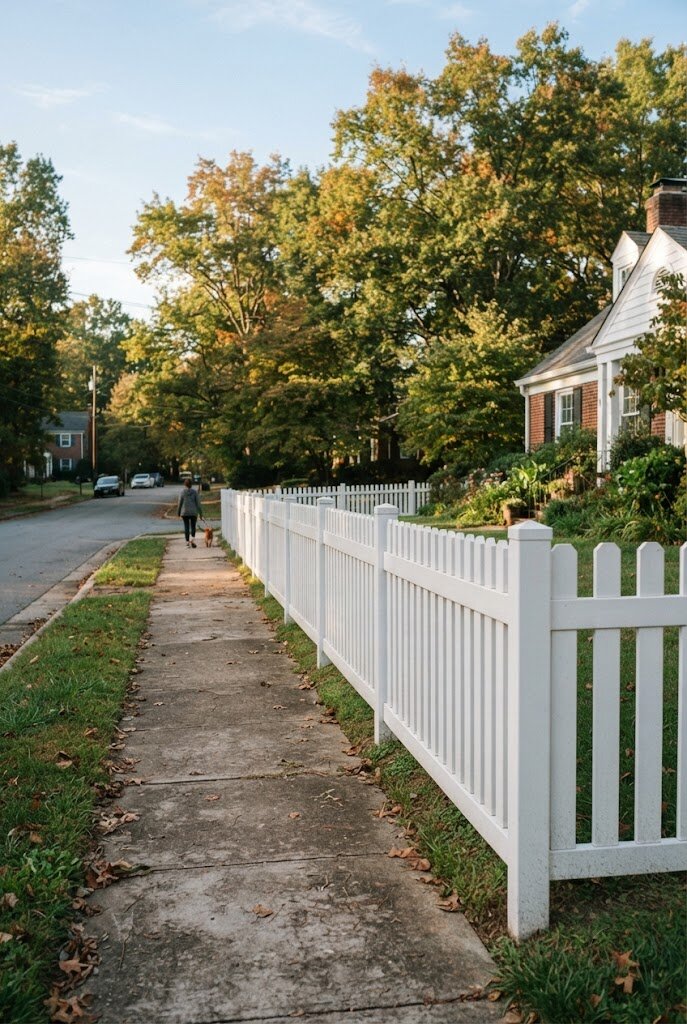
13. Metal Fence Panels With Decorative Scalloped Top
Metal fence panels with a gently scalloped or arched top rail add a custom, higher-end look to an otherwise standard aluminum or steel picket fence, at minimal extra manufacturing cost. This detail is popular for front-yard metal fencing fence panels where some ornamentation is welcome.
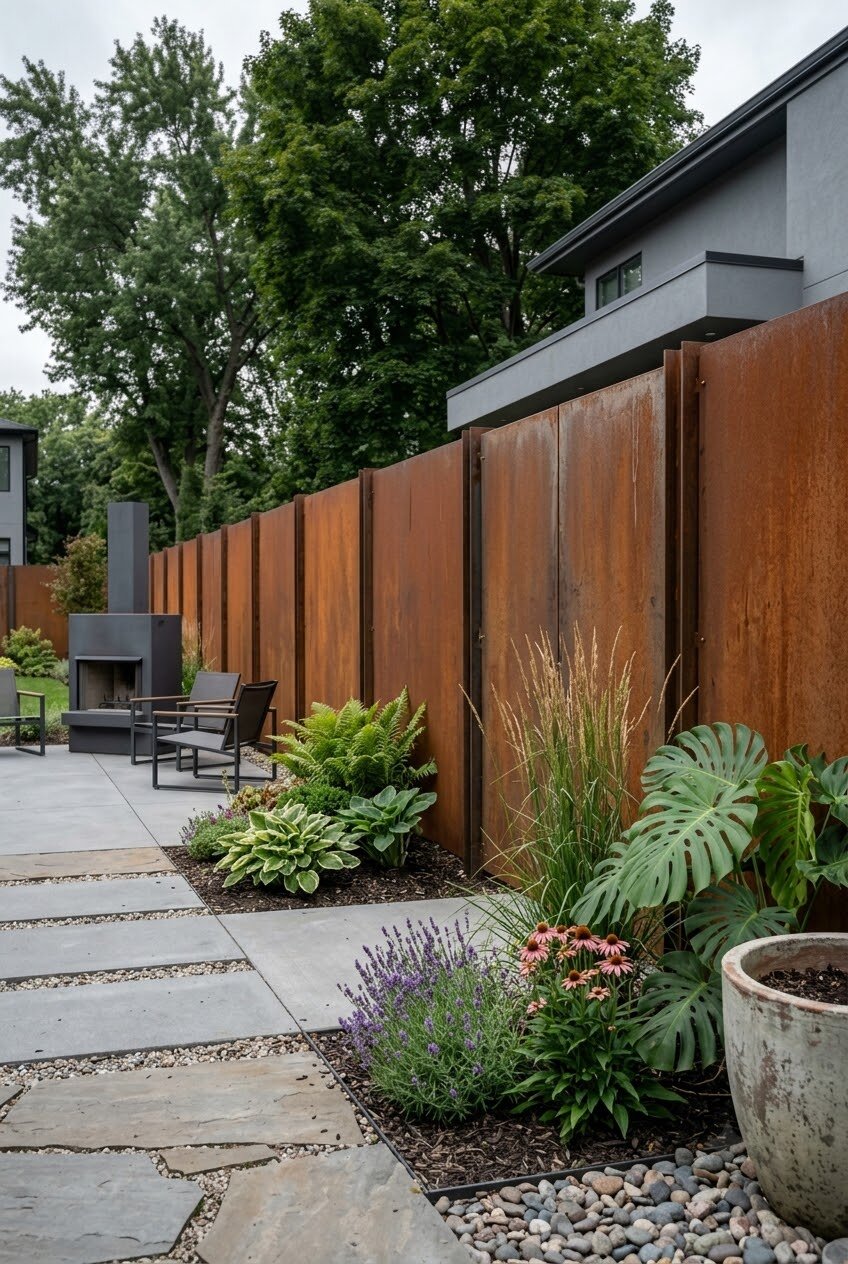
14. Pressure-Treated Wood Fence Posts With Concrete Post Collars
Adding a poured concrete collar around the top of each wood fence post, angled to shed water away from the post, meaningfully slows the rot process at the most vulnerable point — ground level. This low-cost addition can extend wood fence post life by several years for only a small amount of extra concrete per post.
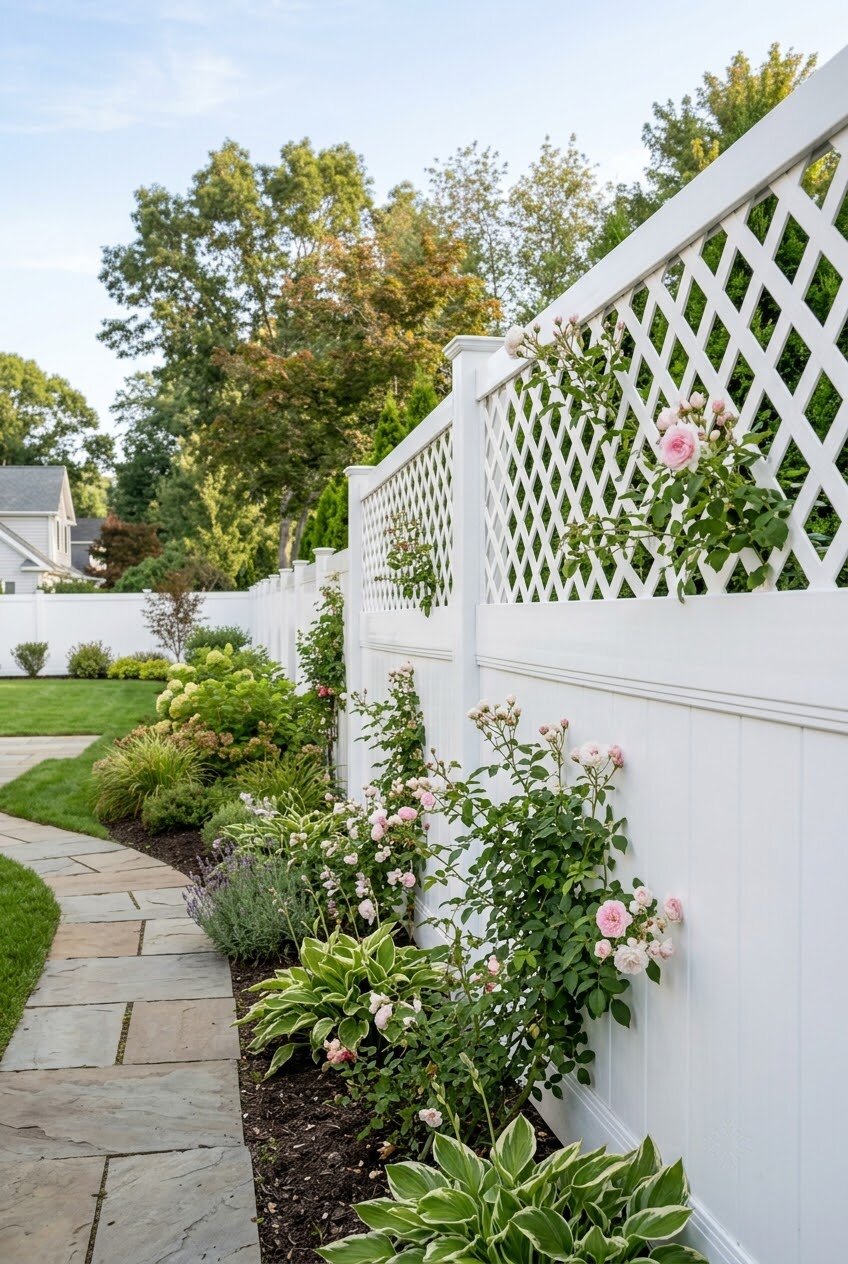
15. Two-Tone Fence: Metal Posts And Frame With Vinyl Panel Infill
Combining a metal fence post-and-rail frame with vinyl panel infill gets the structural longevity of metal where it matters and the zero-maintenance surface of vinyl where it's visible — arguably the lowest-maintenance hybrid fence design available, though it costs more upfront than an all-wood approach.
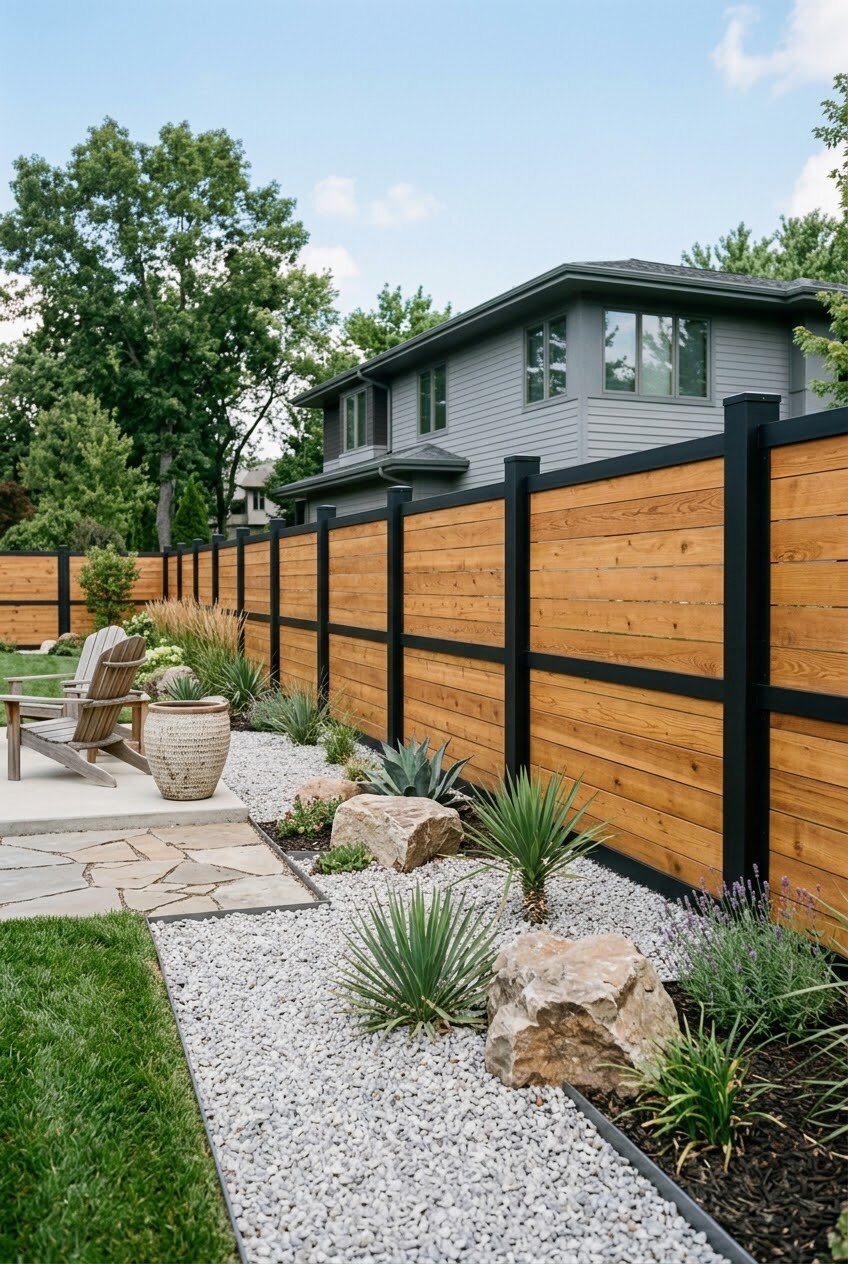
16. Board-And-Batten Wood Fence For A Modern Farmhouse Look
Board-and-batten wood fencing uses wide flat boards with narrow battens covering the seams between them, creating a clean, modern farmhouse look while still using standard dimensional lumber. This style pairs well with black-framed exterior details and costs comparably to standard board fencing.
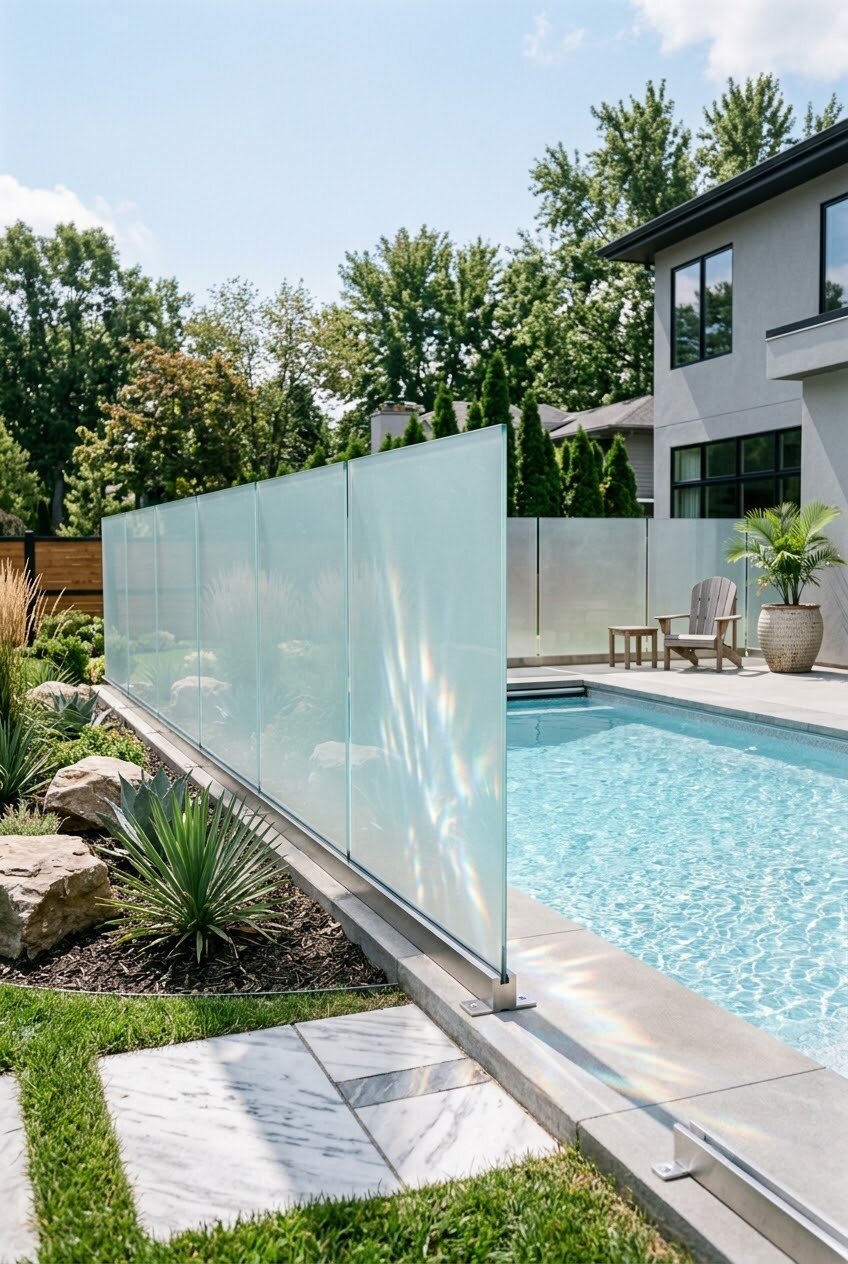
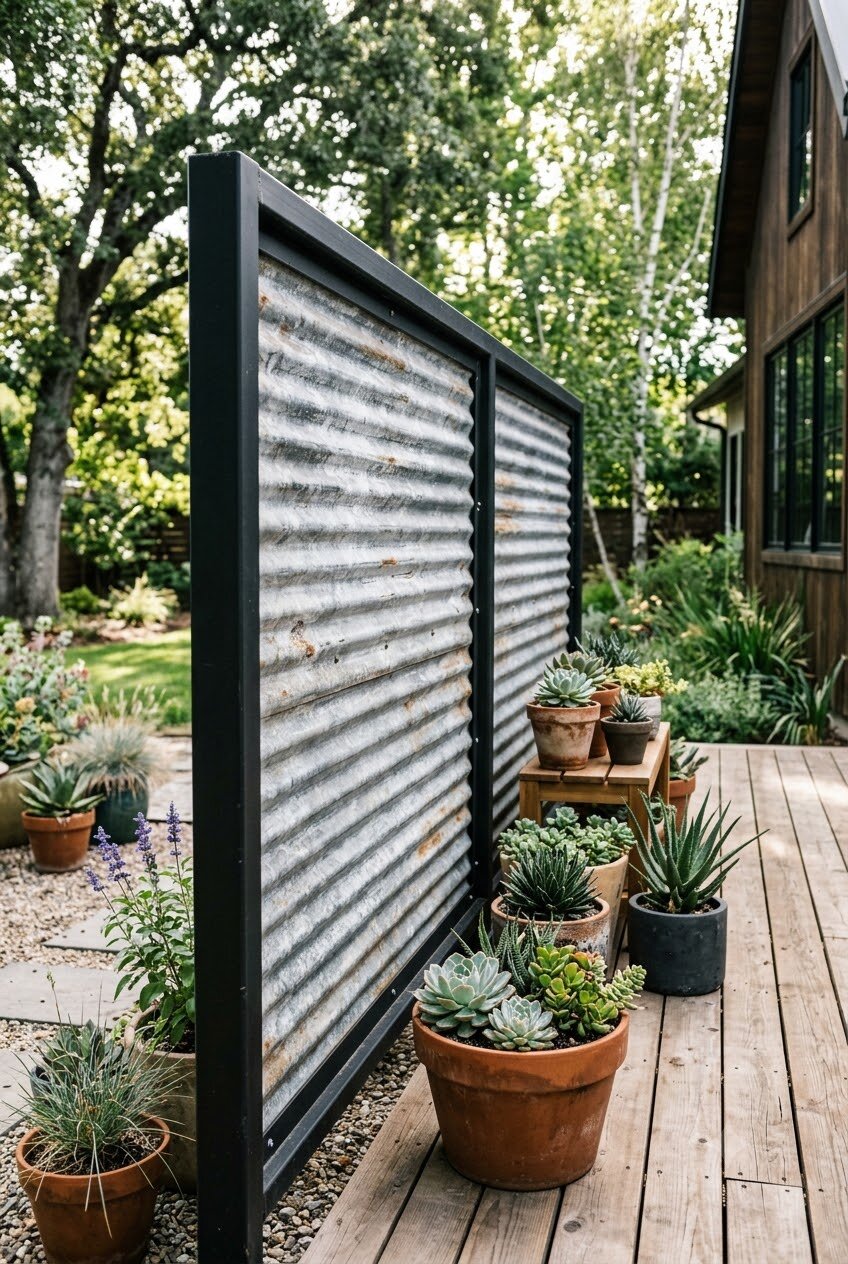
17. Welded Wire Metal Fence Panels For A Minimalist Garden Border
Welded wire metal fence panels in a simple grid pattern create a minimalist, nearly invisible garden border that defines space without blocking views or light — a popular residential modern fence design for front gardens and side-yard boundaries where full privacy isn't the goal.
Get this look 👇
Vertical Metal Slat Privacy Fence Panel (Matte Black, 6 ft)
Check on Amazon
A modern vertical slat panel in matte black steel, delivering full privacy with the narrow-gap aesthetic increasingly used to replace traditional wood privacy fencing.
This exact slat panel →Get this look 👇
Fence Post Concrete Anchor Collar Kit (Set of 4)
Check on Amazon
Pre-formed concrete collar molds that anchor wood or metal posts without full footings, speeding up install time on budget-conscious wood-and-metal hybrid fence projects.
This exact anchor kit →18. Reclaimed Wood Fence Boards For Budget Character
Reclaimed or salvaged wood fence boards bring weathered texture and character at a lower cost than new premium lumber, making this one of the more interesting modern, cheap fence design options for homeowners who like a rustic-modern mix. Seal reclaimed boards before installing to extend their outdoor lifespan.
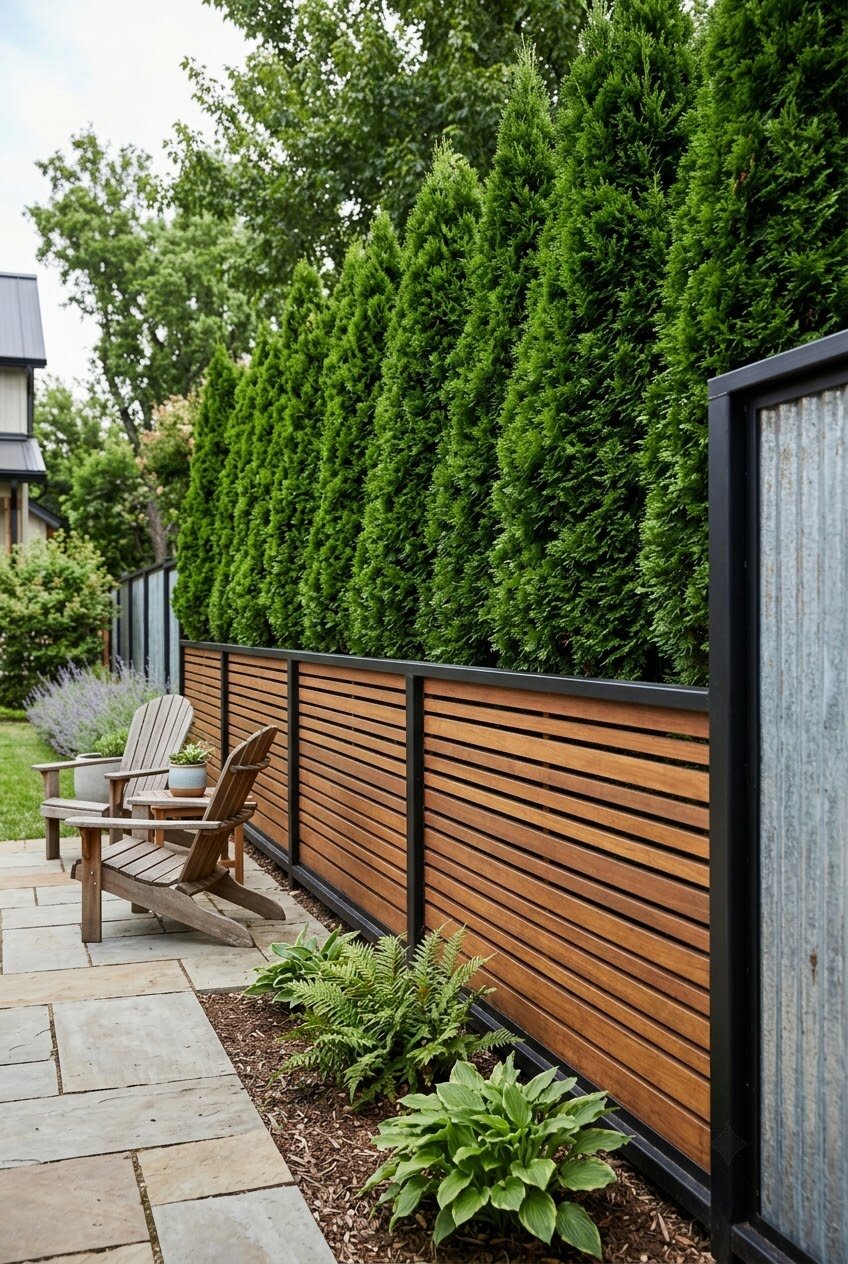
19. Aluminum Metal Fence Panels Around A Pool Enclosure
Code-compliant aluminum metal fence panels with closely spaced pickets are the standard choice for pool enclosures because they meet child-safety height and gap requirements while resisting the constant moisture exposure that would quickly degrade a wood fence near a pool.
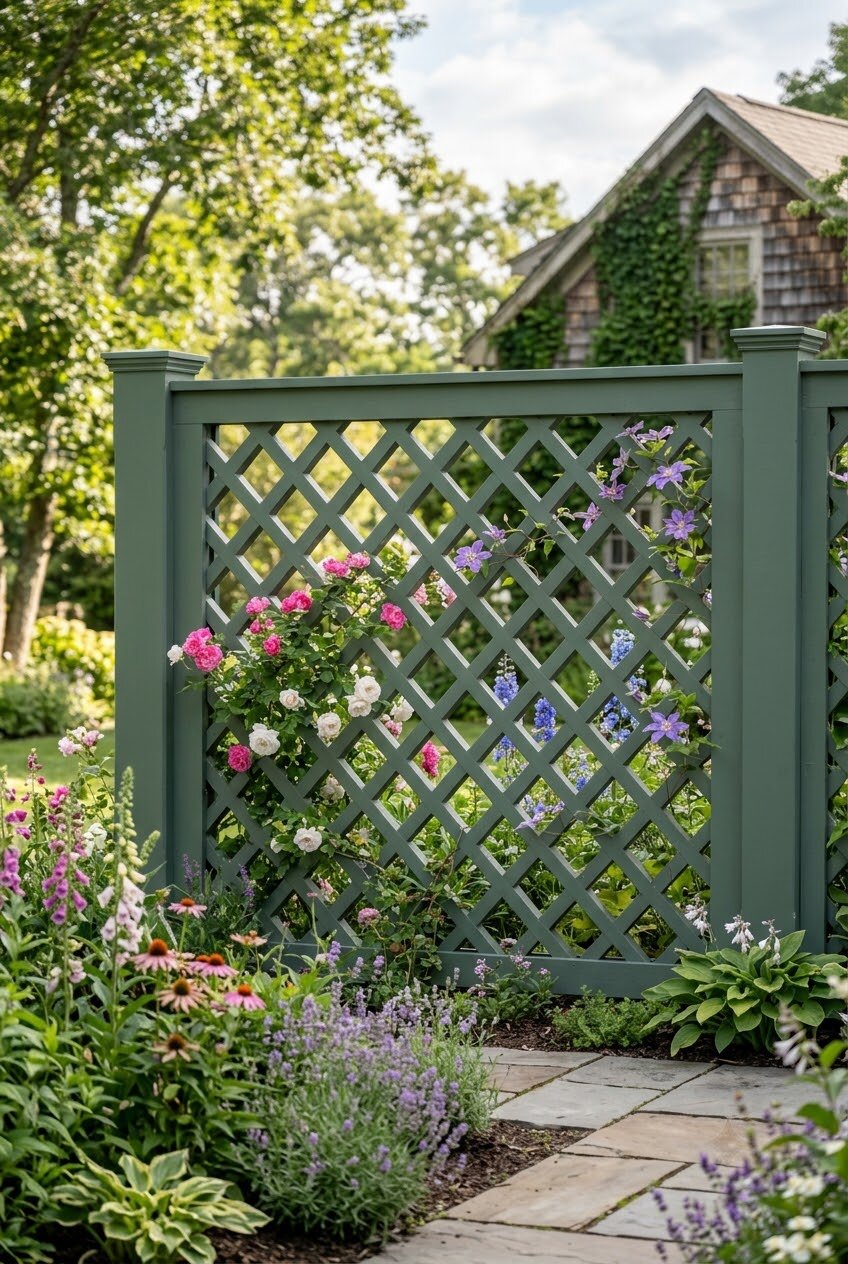
20. Stockade Wood Fence For Maximum Budget Privacy
A stockade-style wood fence — tightly spaced flat-top boards with no gaps — remains the lowest-cost way to achieve full visual privacy in wood, typically the cheapest wood fence style per linear foot available at most lumber yards.
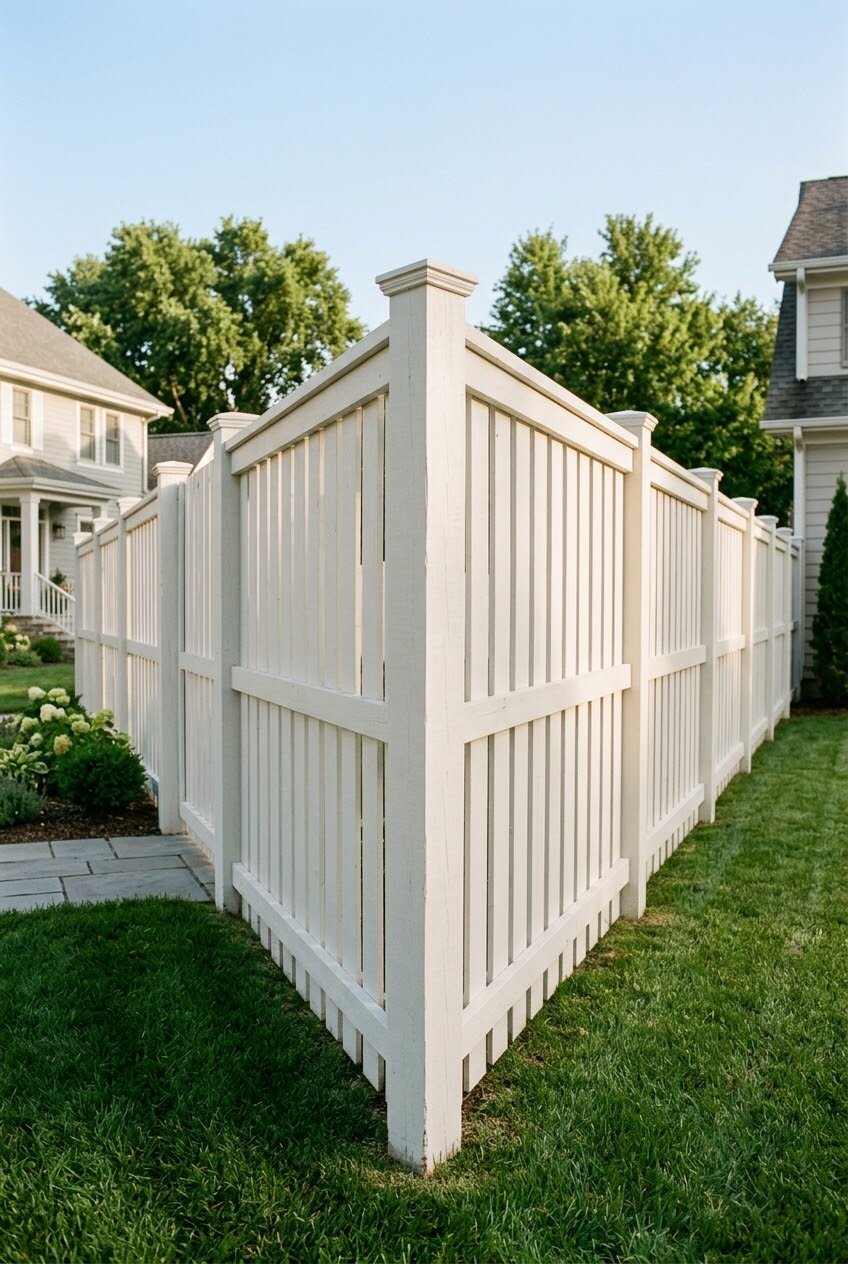
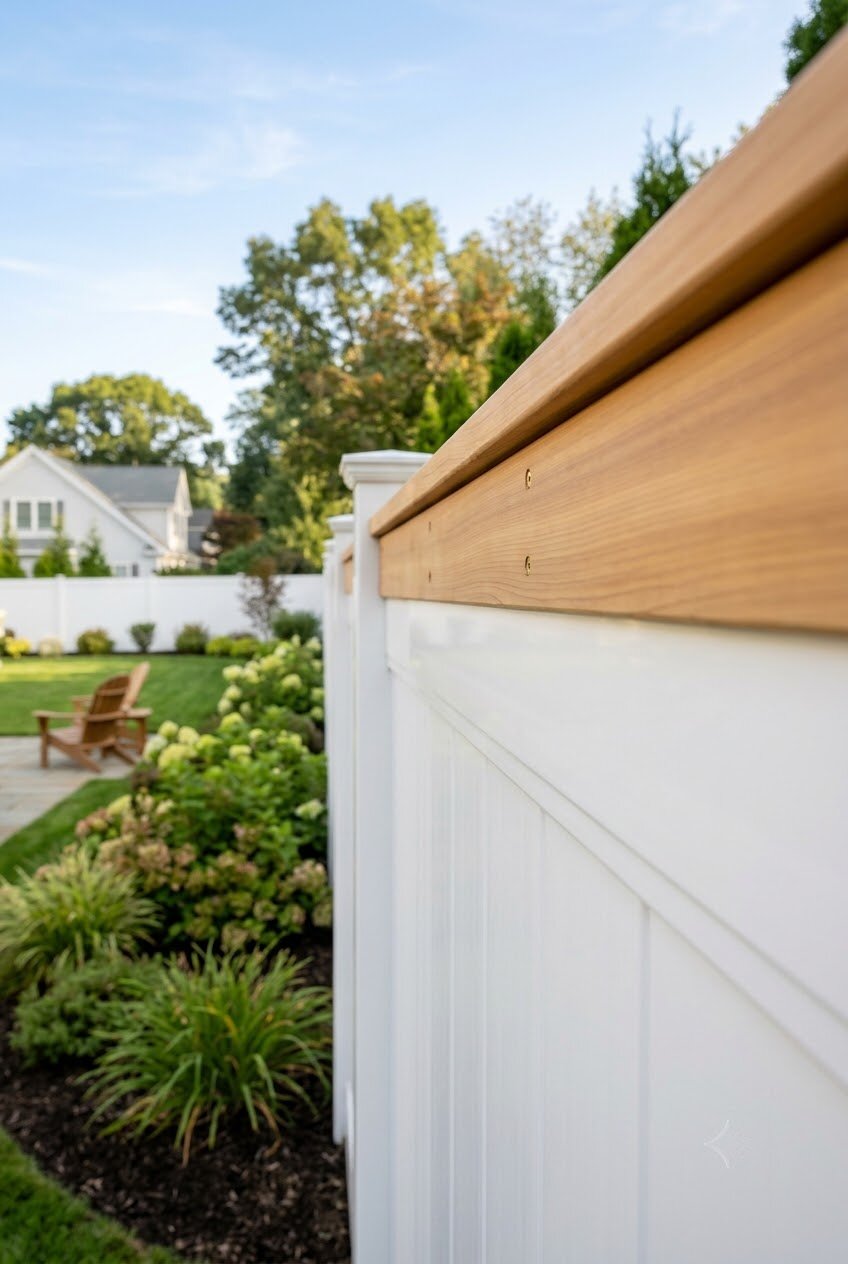
21. Powder-Coated Steel Fence Posts With Wood Cap Rail
Pairing powder-coated steel fence posts with a single wood cap rail on top of an otherwise metal panel system softens the look of an all-metal fence with a touch of warm material, while keeping the structural posts fully maintenance-free.
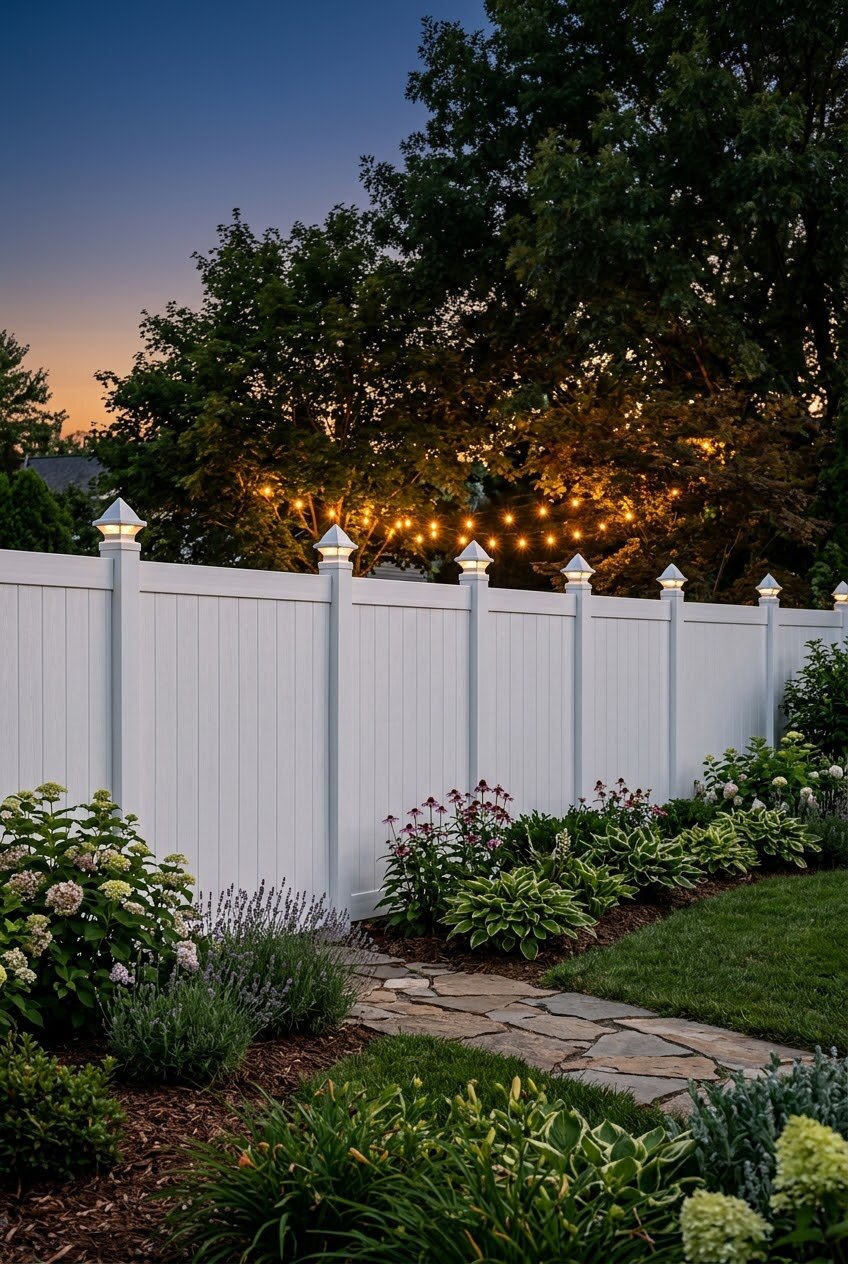
22. Lattice-Top Wood Fence For Added Height And Light
Adding a lattice top section above a solid wood privacy fence increases overall height for extra privacy from second-story windows while letting some light filter through, a popular low-cost way to extend an existing wood fence without a full rebuild.
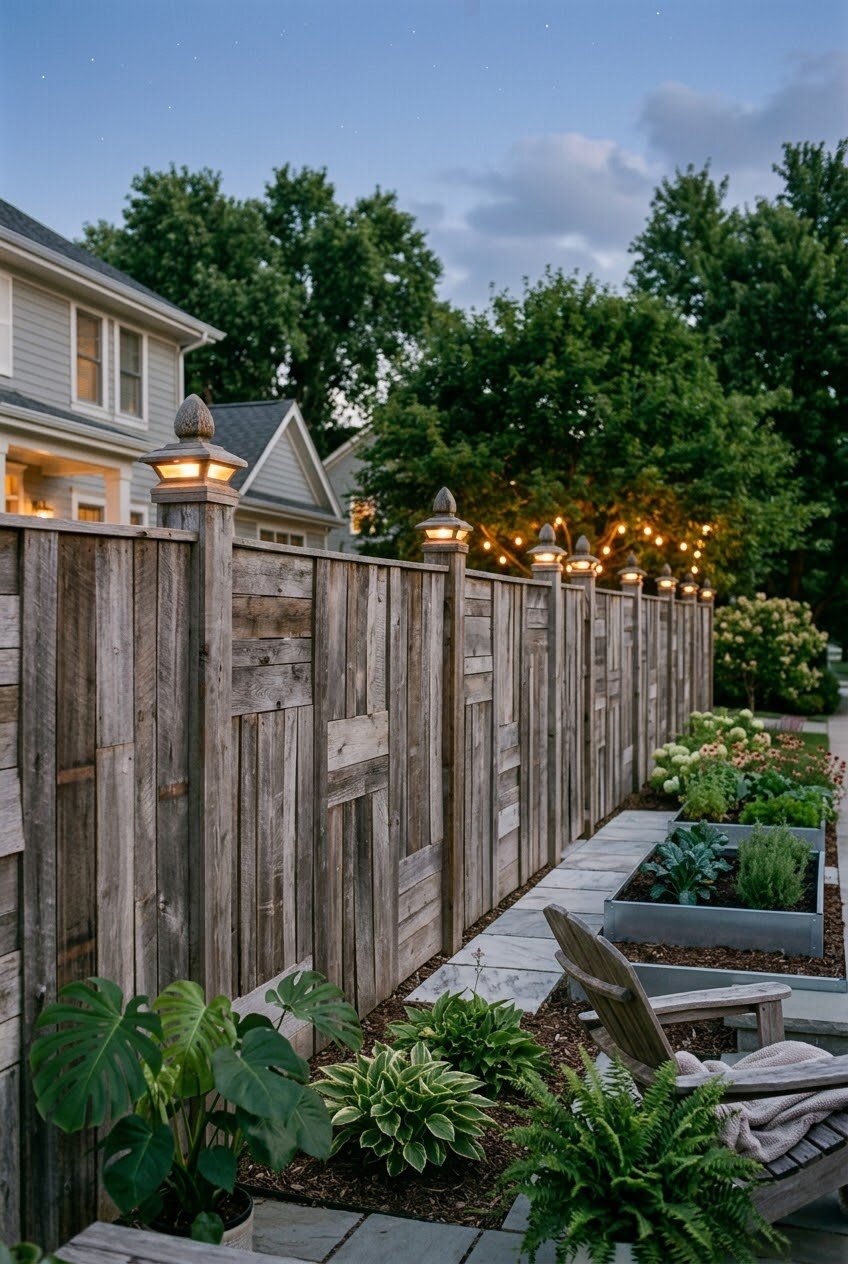
23. Chain-Link Metal Fence With Privacy Slat Insert Upgrade
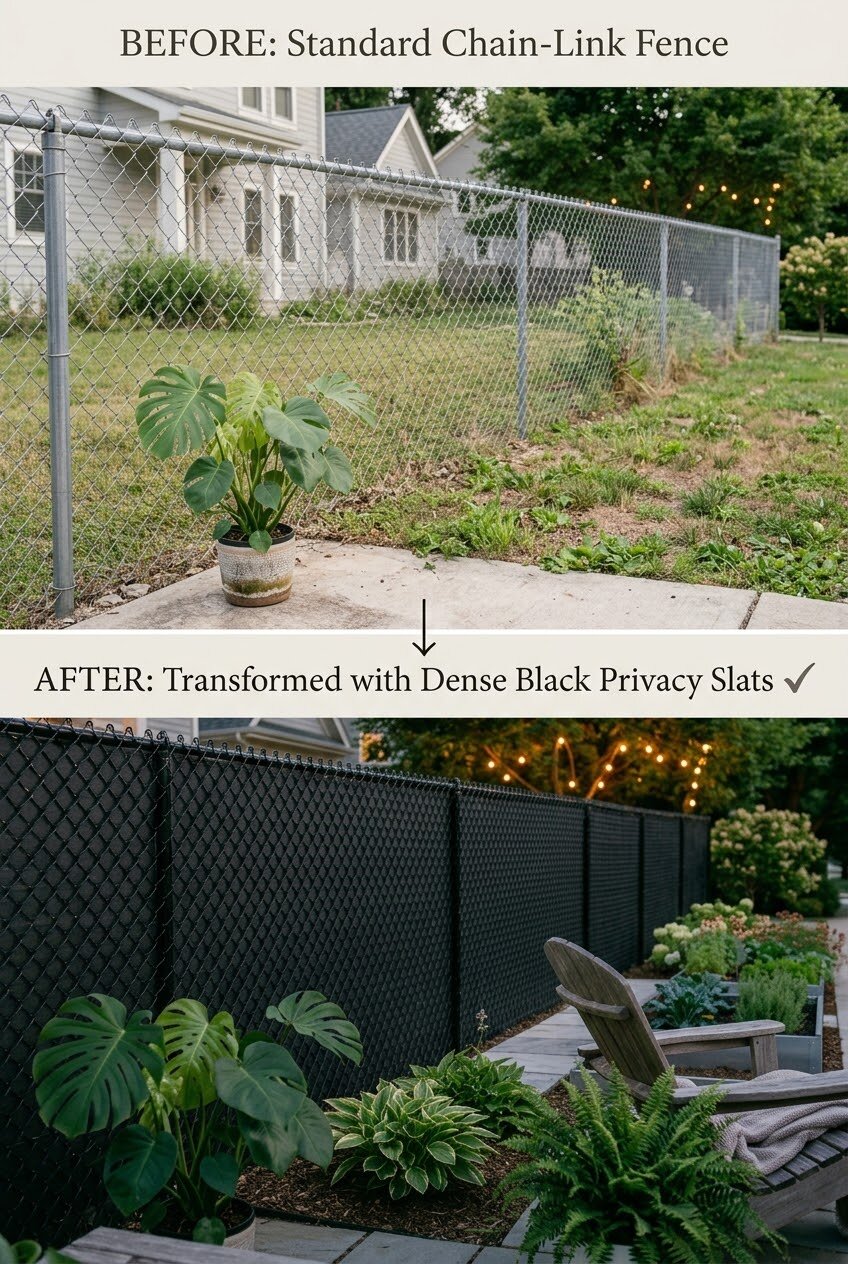
A basic galvanized chain-link metal fence, upgraded with privacy slat inserts woven through the mesh, is the most affordable metal fencing fence panel option available, often costing less than half of a solid wood or aluminum privacy fence per linear foot.
Get this look 👇
Privacy Slat Inserts for Chain-Link Fence (100 ft Roll)
Check on Amazon
Weave-in vinyl slats that convert an existing chain-link fence to a semi-private wood-and-metal hybrid look, sized to cover a full 100-foot run.
Budget-friendly version here →Get this look 👇
Decorative Geometric Cutout Metal Fence Panel (Laser-Cut Steel)
Check on Amazon
A laser-cut steel panel in a geometric pattern, designed as a statement section within a mixed wood-and-metal fence run for a modern architectural accent.
This exact panel design →24. Engineered Wood Fence Panels For Improved Rot Resistance
Engineered or composite wood fence panels — wood fiber bonded with resin — resist rot and insect damage significantly better than solid lumber while still mounting on standard wood or metal fence posts, offering a middle-ground option between traditional wood and full synthetic materials.
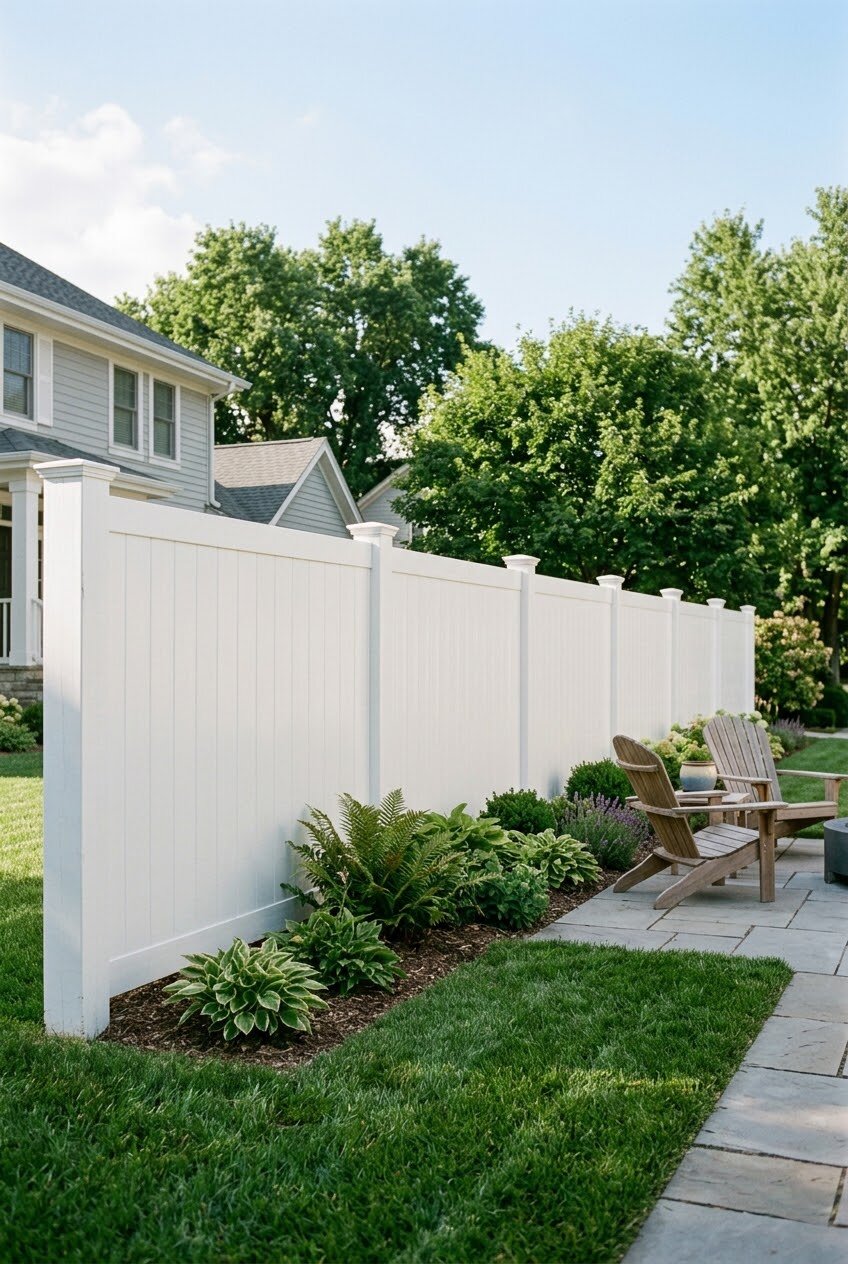
25. Decorative Metal Fence Panels With Geometric Cutout Pattern
Laser-cut metal fence panels featuring geometric or botanical cutout patterns add a distinctive, artistic element to a modern residential fence design, available in powder-coated aluminum or steel and priced as a premium option above standard flat panels.
Conclusion
There is no single right answer to wood vs metal fencing — the better material depends on whether upfront budget or lifetime cost matters more to you. Wood fences remain the cheapest way to get a fence installed today, but expect to budget for restaining and eventual post replacement. Metal fence posts and metal fence panels cost more initially but essentially eliminate maintenance and last two to three times longer. For many homeowners, the smartest answer is a hybrid: metal fence posts for structural longevity, paired with wood, vinyl, or metal panel infill chosen on style and budget alone. Whichever direction you choose, the 25 designs in this guide show that both materials can deliver a clean, modern, residential fence design.