Best Succulent Varieties For Containers And Pots
By Gardenidea · Updated June 2026 · 15 min read
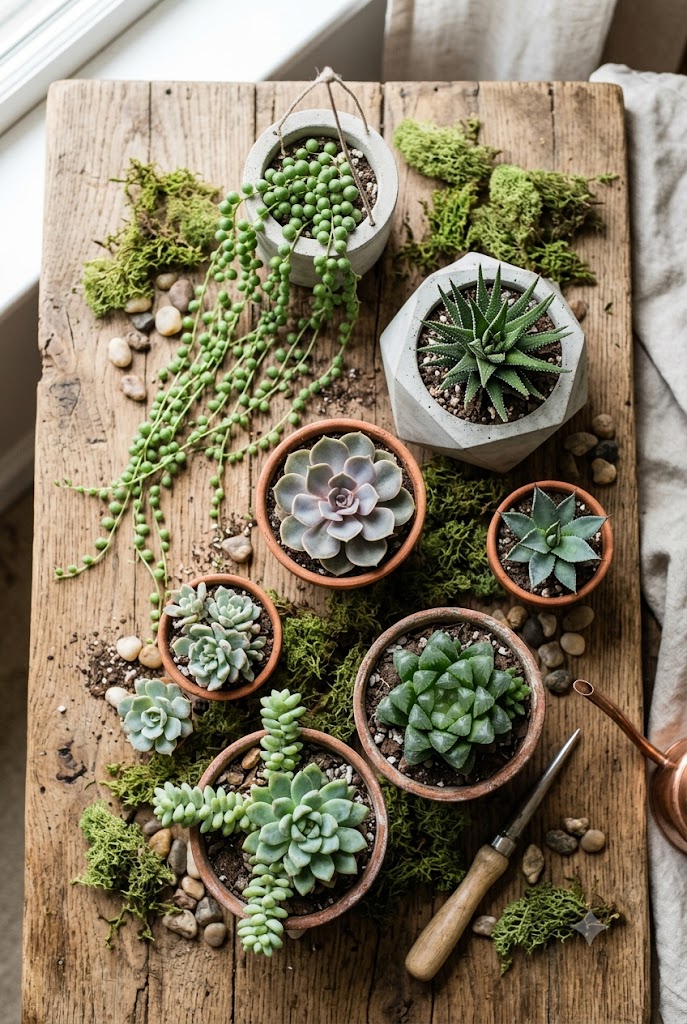
The best succulent varieties for containers and pots are Echeveria, Haworthia, Sedum, Sempervivum, Aloe vera, Crassula (Jade Plant), Lithops, Gasteria, Agave, and Aeonium. These ten genera cover every container situation — indoors, outdoors, full sun, partial shade, tiny pots, and large statement planters — and are widely available at garden centers across the USA, UK, Canada, and Australia.
- ▶ Echeveria rosettes are the most popular container succulents worldwide for their color range.
- ▶ Haworthia is the best indoor succulent because it tolerates low light unlike most other varieties.
- ▶ Overwatering kills more container succulents than any other single cause.
- ▶ Succulents need fast-draining cactus mix, not standard potting soil, in containers.
- ▶ Terracotta pots dry out faster than plastic, which is an advantage for drought-adapted succulents.
- ▶ Sempervivum (Hens and Chicks) is the most cold-hardy succulent for outdoor pots in cold climates.
- ▶ Mixing succulents with similar water needs in one pot creates beautiful low-maintenance arrangements.
What Is A Succulent?
A succulent is a plant that stores water in its leaves, stems, or roots as an adaptation to dry climates. Because of this built-in water storage, succulents tolerate drought far better than most other plants and thrive in well-draining soil with infrequent watering. They include thousands of species across dozens of plant families, ranging from tiny rosettes to large architectural specimens.
Key Takeaways
- Echeveria and Sedum are the best outdoor container succulents for full sun and colorful displays.
- Haworthia and Gasteria are the top choices for indoor pots where bright direct sun is not available.
- All container succulents need fast-draining soil and pots with drainage holes to prevent root rot.
- Sempervivum is the only succulent that reliably survives outdoor winters in USDA zones 3–8 without protection.
- Lithops (Living Stones) are the most unique beginner-friendly succulents that mimic small pebbles.
- Mixing 3 to 5 different succulent varieties in one wide, shallow pot creates a stunning low-maintenance arrangement.
- Most container succulents need repotting every 1 to 2 years as roots fill the container.
Succulents have become one of the most popular container plants in the world — and for very good reason. They store water in their thick leaves and stems, which means they forgive the occasional forgotten watering far better than almost any other plant you could grow in a pot. They come in an extraordinary range of colors, shapes, and sizes, from tiny jewel-like rosettes small enough to sit on a desk to dramatic architectural specimens that anchor a whole patio design.
But not all succulents are the same, and the variety that thrives in a sunny outdoor pot may quickly decline on an indoor shelf — and vice versa. Choosing the right variety for your specific container situation, light level, and climate makes the difference between a thriving, expanding collection and a frustrating string of failed plants.
This guide covers 30 of the best succulent varieties for containers and pots, organized to help you find the right plant whether you're working with a bright sunny windowsill, a shaded balcony, a hot patio, or a frost-prone outdoor space. Each entry includes specific care tips, the best container setup, and what makes that variety genuinely worth growing.
Table Of Contents
- What Makes A Good Container Succulent?
- What Soil And Pots Do Succulents Need?
- Best Succulents For Outdoor Containers
- Best Succulents For Indoor Pots
- 30 Best Succulent Varieties For Pots
- Step-By-Step: Creating A Succulent Container Garden
- Common Mistakes To Avoid
- Succulent Variety Comparison Table
- Frequently Asked Questions
What Makes A Good Container Succulent?
The best container succulents share a few key traits: they stay a manageable size without rapid spreading, tolerate the limited root space a pot provides, look attractive for multiple seasons rather than for just a few weeks, and are easy to find at garden centers or online nurseries.
Rosette-forming varieties — like Echeveria, Sempervivum, and Haworthia — are particularly well suited to pots because their compact, symmetrical growth habit looks intentional and designed rather than wild. Column or clumping types like Aloe and Agave work well as single statement specimens in larger containers. Trailing types like Sedum morganianum (Burro's Tail) are best displayed in hanging baskets or on a shelf where they can cascade downward.
What Soil And Pots Do Succulents Need In Containers?
Soil: Always use a cactus and succulent potting mix, or amend standard potting soil by mixing in 50% coarse perlite or pumice. Standard potting soil alone retains far too much moisture for succulents and leads directly to root rot, which is the most common way container succulents are killed. Never use garden soil in pots — it compacts, drains poorly, and introduces pests.
Pots: Terracotta (unglazed clay) is the best material for most succulents because the porous walls allow moisture to evaporate through the sides, not just the drainage holes. This extra evaporation pathway significantly reduces root rot risk. Plastic and glazed ceramic pots are usable but require more careful watering. Whatever material you choose, drainage holes are non-negotiable — a pot without drainage holes will eventually kill almost every succulent planted in it.
Which Succulents Grow Best In Outdoor Containers?
For outdoor pots in full sun, Echeveria, Sedum, Sempervivum, Agave, and Portulacaria are the most reliable performers. These varieties tolerate direct sun, heat, and the faster drying cycle of outdoor containers without going dormant or bleaching. In climates with freezing winters, Sempervivum is the only genus from this list that reliably overwinters outdoors in pots without protection in most of the USA, UK, and Canada.
For outdoor pots in partial shade — such as a balcony garden or covered front porch — Aeonium, Crassula, and Gasteria adapt well to lower light levels while remaining truly outdoor plants rather than indoor specimens.
Which Succulents Grow Best Indoors In Pots?
Haworthia is the single best indoor succulent for low-light conditions, thriving where other succulents would stretch, yellow, and decline. It tolerates the indirect light of a north-facing windowsill that would be inadequate for Echeveria or Sedum. Gasteria, Aloe vera, and Crassula ovata (Jade Plant) also adapt well to indoor conditions, especially on south- or east-facing windowsills that receive at least four hours of bright indirect light daily.
The biggest challenge for indoor succulent pots is airflow — indoor rooms typically have lower air circulation than outdoor spaces, which slows soil drying and increases the risk of overwatering. Water even less frequently than you would outdoor pots, and lean toward terracotta containers indoors for their faster-drying walls.
30 Best Succulent Varieties For Containers And Pots
From rosette beauties to dramatic architectural specimens — every variety below includes specific care details, ideal pot setup, and what makes it truly worth growing.
1. Echeveria — The Classic Rosette Succulent For Every Container
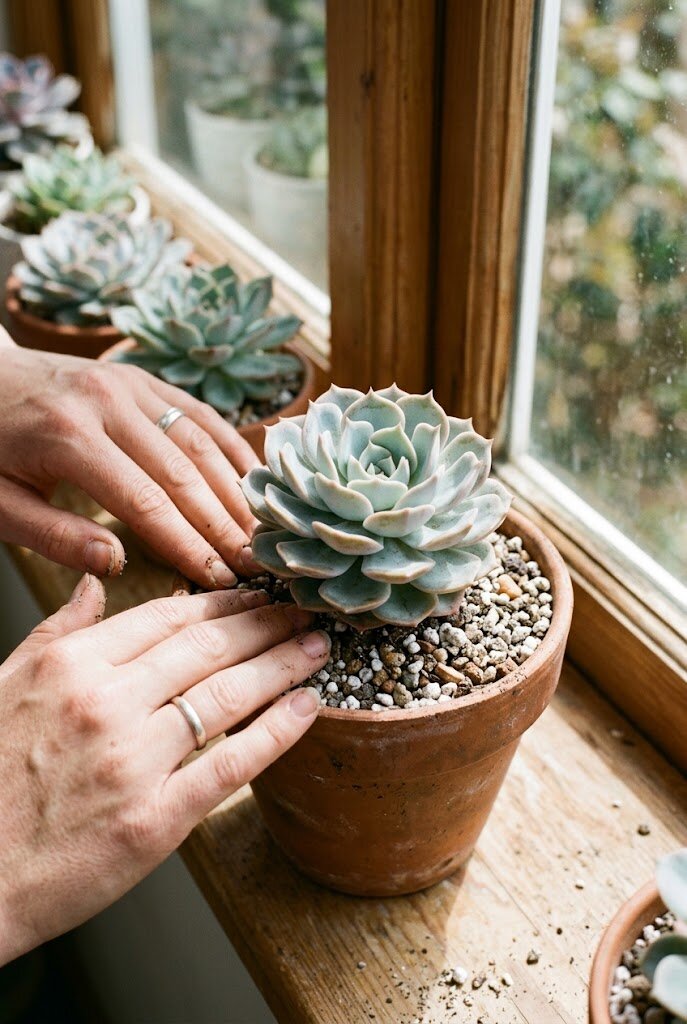
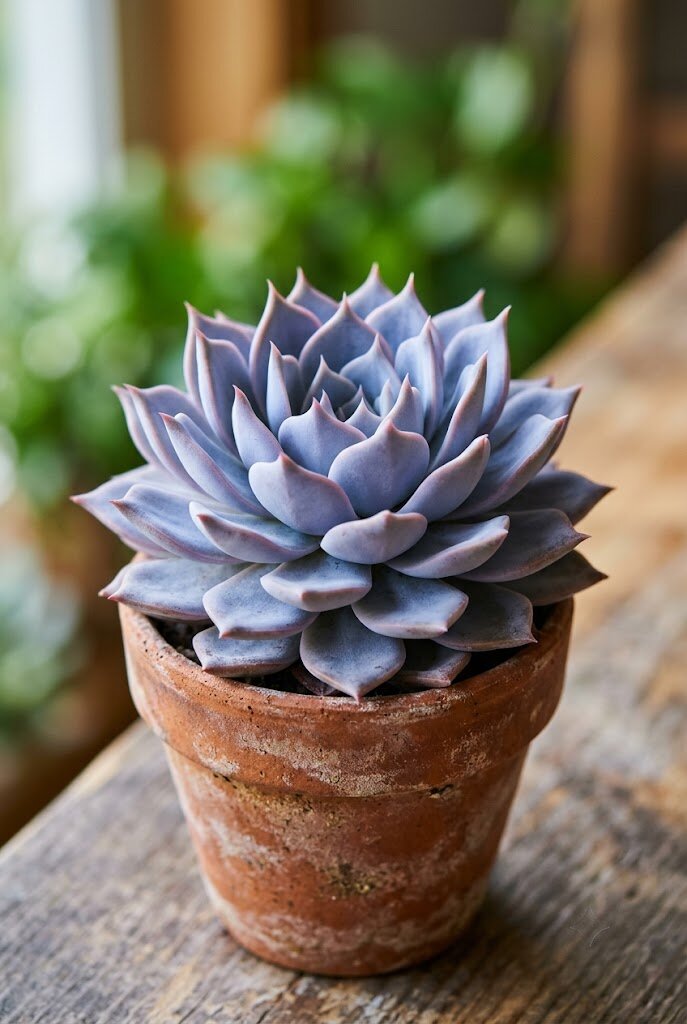
Echeveria is the most popular container succulent in the world, producing tight, symmetrical rosettes of fleshy leaves in dusty blue, rose-pink, purple, silvery-green, and nearly every color combination in between. Most varieties stay compact — 3 to 8 inches wide — making them ideal for small pots, window boxes, and mixed arrangements where multiple plants share one container. They thrive in full to partial sun and need excellent drainage, so a cactus mix in a terracotta pot is the ideal setup. Many Echeveria varieties develop deeper, more vivid coloring when given slightly more direct sun or when temperatures cool in fall — a phenomenon called stress coloring that is completely healthy and part of their natural appeal.
2. Haworthia — The Best Succulent For Indoor Pots And Low Light
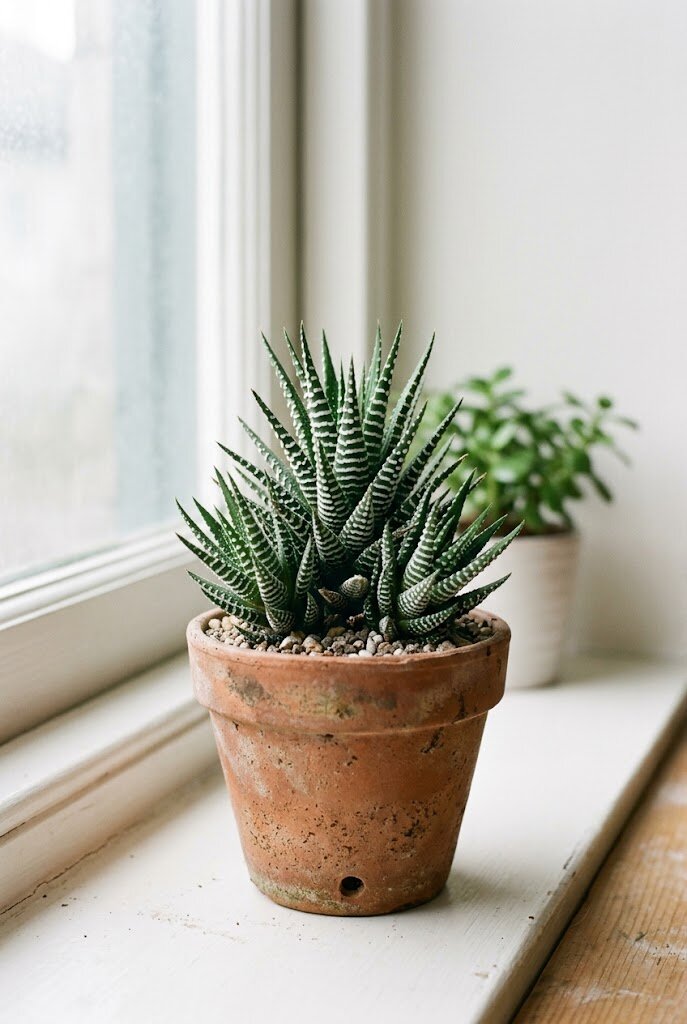
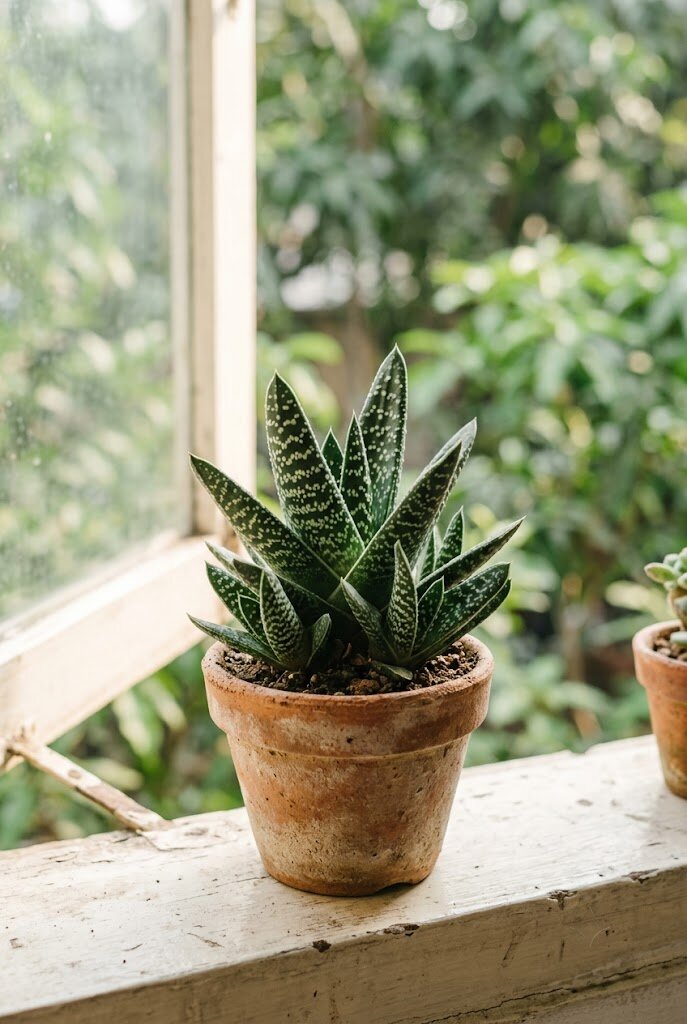
Haworthia is the go-to succulent for anyone working with indoor spaces or windows that don't receive strong direct sun. Its stiff, pointed leaves — often marked with white stripes, dots, or translucent "windows" at the tips — form tight rosettes that rarely exceed 5 inches wide, making Haworthia one of the neatest and most compact container plants you can grow. Unlike most succulents, it actively prefers indirect bright light to direct sun, which makes it genuinely well suited to north-facing windowsills and shelves away from direct outdoor light. Water even more sparingly than you would outdoor succulents, and use a well-draining terracotta pot in a cactus mix for the best results indoors.
3. Sempervivum (Hens And Chicks) — The Cold-Hardy Outdoor Pot Succulent
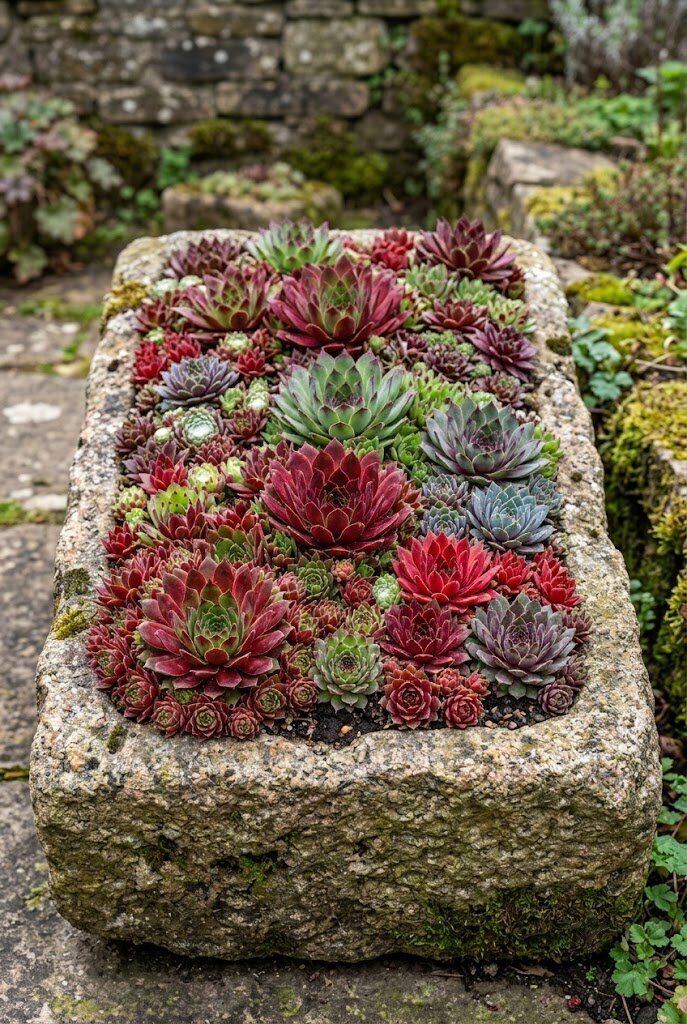
Sempervivum, commonly called Hens and Chicks, is the most cold-tolerant succulent for outdoor containers, surviving hard winters in USDA zones 3 through 8 without being brought indoors — which no other common container succulent can reliably claim. The mother rosette (the "hen") produces a ring of smaller offsets (the "chicks") throughout the growing season, gradually filling a pot or alpine trough with a dense carpet of rosettes in green, red, purple, and silver tones. Each individual rosette lives for several years, then flowers once before dying and being replaced by new offsets. Plant in a very gritty, fast-draining mix since winter wet is more damaging to Sempervivum than winter cold.
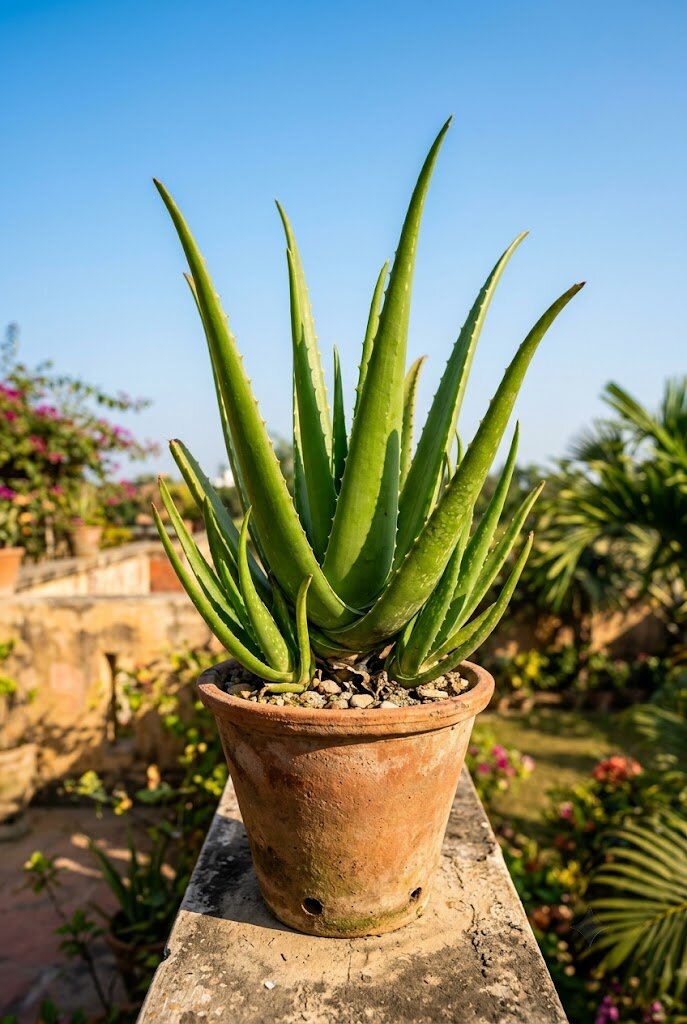
4. Aloe Vera — The Practical And Beautiful Container Succulent
Aloe vera does double duty as both an attractive container plant and a genuinely useful household remedy plant, with its thick gel-filled leaves known for soothing minor burns and skin irritation. In a container, Aloe vera grows as a cluster of upright, fleshy green leaves with serrated edges, reaching 12 to 24 inches tall in a medium pot over several years. It tolerates a wide range of indoor and outdoor light conditions but produces its best color and firmest leaves in bright indirect to direct morning sun. Water deeply then allow the soil to dry out completely before watering again — Aloe vera stores enough water in its leaves to survive several weeks of neglect without visible stress.
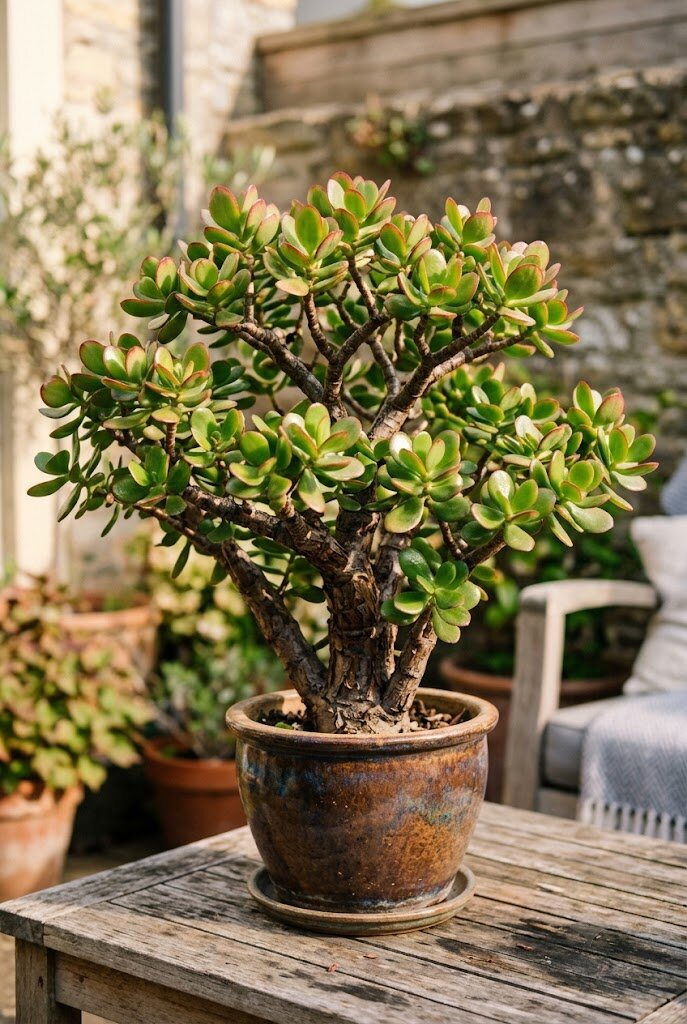
5. Crassula Ovata (Jade Plant) — A Long-Lived Container Treasure
The Jade Plant is one of the longest-lived succulent container plants, with well-cared-for specimens growing into small tree-like forms over decades in the same pot. Its thick, oval, glossy green leaves — sometimes edged with red when grown in bright sun — and woody branching stems give it a bonsai-like appearance that no other common succulent quite replicates. Jade Plants adapt well to indoor conditions on a bright windowsill but grow more slowly in lower light. They are extremely drought-tolerant and prefer deep, infrequent watering — once the soil has dried out completely — over frequent light watering that keeps the roots perpetually moist.
Get this look 👇
Succulent Planter Pots with Drainage Holes — Set of 5 Terracotta Pots (2.5 inch)
Check latest price on Amazon
Unglazed terracotta mini pots in a set of five — the exact style used in editorial succulent flat-lays. Porous walls help soil dry evenly between waterings, dramatically reducing root rot risk for small Echeveria and Haworthia varieties.
These exact terracotta succulent pots →6. Sedum (Stonecrop) — The Toughest Outdoor Container Succulent
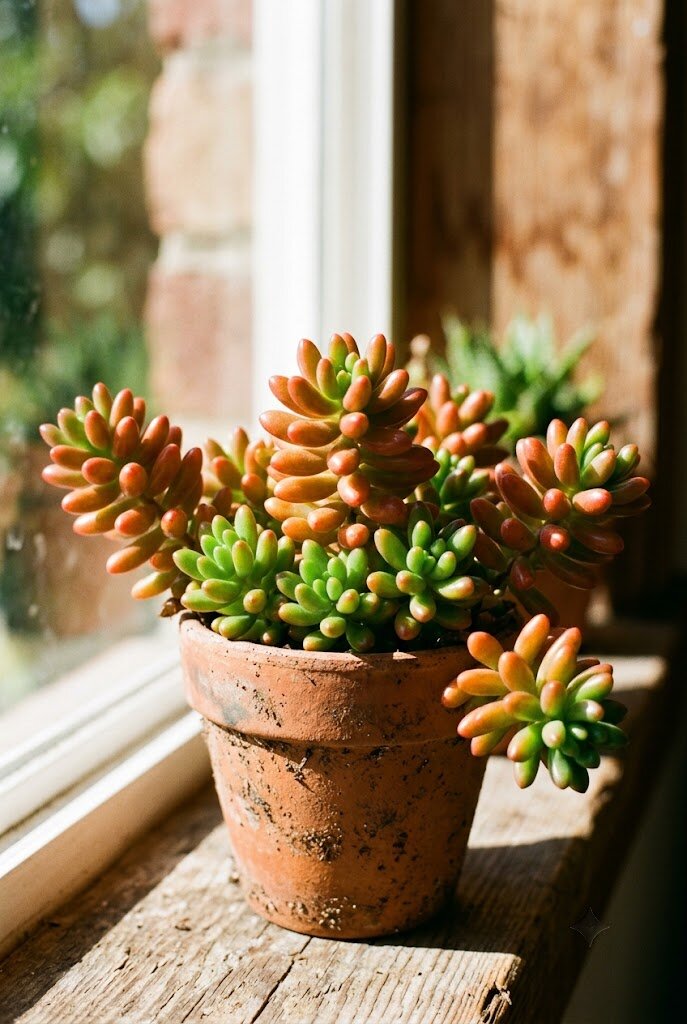
Sedum is an enormous genus with varieties suited to everything from tiny rockery pots to large outdoor planters, making it one of the most versatile container succulents available. Low-growing types like Sedum 'Blue Spruce' and Sedum rubrotinctum (Jelly Beans) work beautifully in wide, shallow dishes, while taller types like Sedum 'Autumn Joy' serve as mid-height statement plants in mixed patio containers. Most Sedum varieties tolerate neglect, heat, drought, and poor soil far better than more popular succulents like Echeveria, making them a practical first choice for a new outdoor container garden or a low-maintenance balcony.
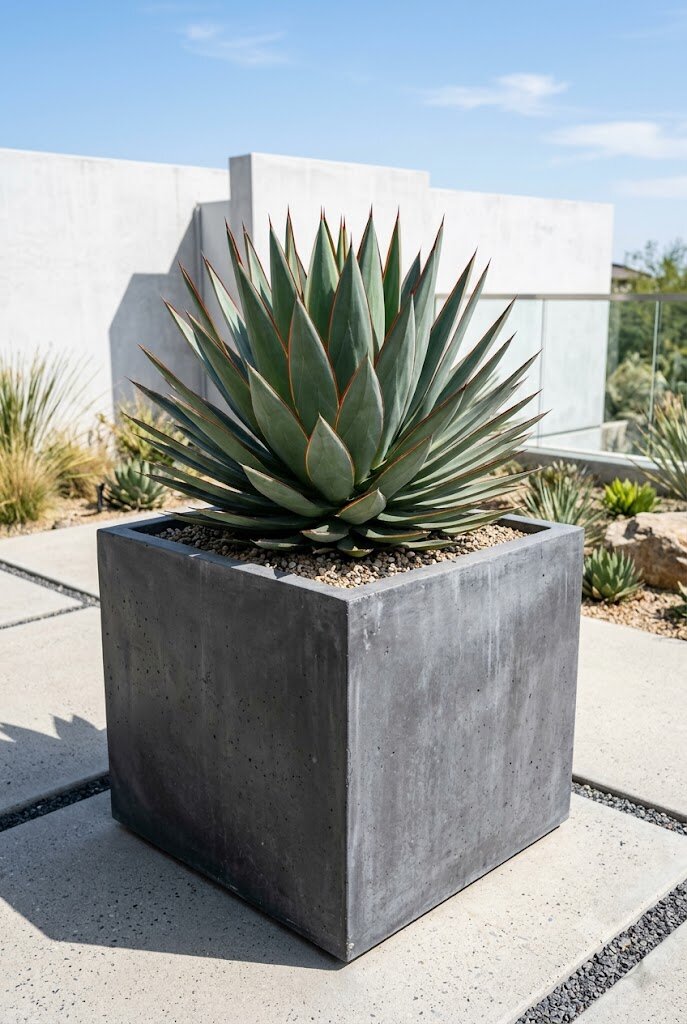
7. Agave — The Dramatic Architectural Statement Pot Plant
Agave creates a bold, architectural statement in large outdoor containers that almost no other plant can match — its stiff, pointed leaves radiate outward in a perfectly geometric pattern that looks equally at home in a contemporary urban garden or a sun-baked Mediterranean-style courtyard. Smaller varieties like Agave 'Blue Glow' and Agave parryi (Artichoke Agave) are better suited to containers than the large landscape species, staying manageable for 5 to 10 years before outgrowing a standard pot. Agave is extremely drought-tolerant once established but does not tolerate wet soil, so a very gritty mix in a pot with excellent drainage is essential. Handle with care when repotting — the leaf tips are sharply pointed and can puncture skin.
8. Lithops (Living Stones) — The Most Unique Pot Succulent
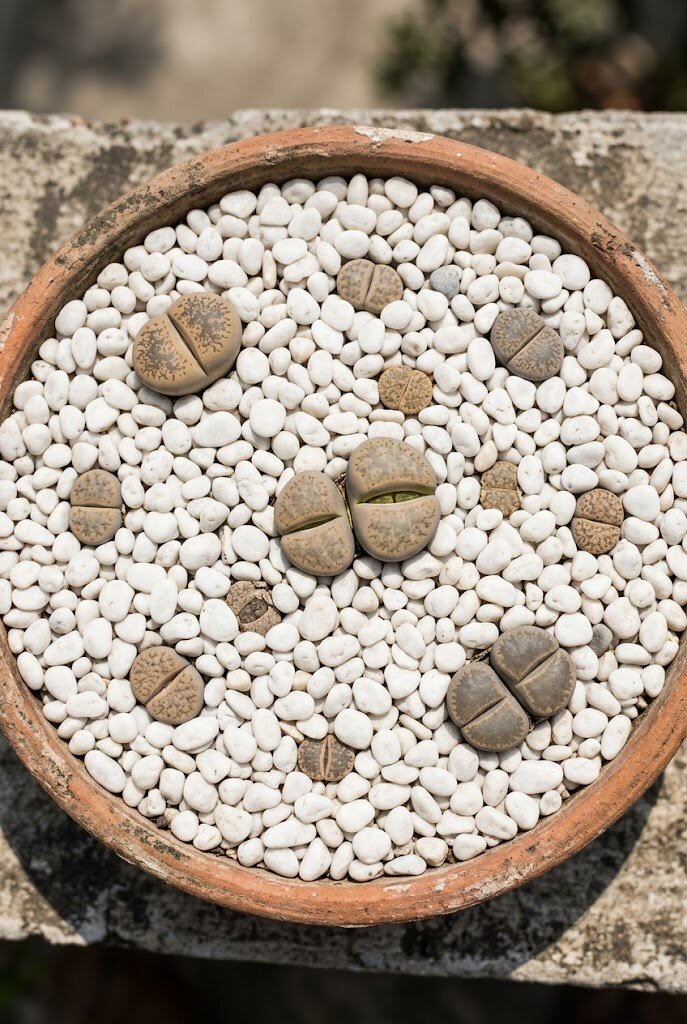
Lithops, commonly called Living Stones, are among the most fascinating succulents you can grow in a container — each plant consists of just two thick, fused leaves that mimic the appearance of small pebbles or stones so convincingly that they can be hard to spot in a gravel-topped pot. Native to the rocky, arid regions of southern Africa, Lithops have evolved to be nearly invisible among stones as protection against grazing animals. They need very bright light, extremely fast-draining gritty soil, and almost no water during their summer and winter rest periods — watering at the wrong time causes the leaves to split and rot. When they do bloom in autumn, they produce daisy-like flowers that emerge from the cleft between the two leaves and are surprisingly large relative to the plant.
9. Aeonium — The Rosette Succulent For Cooler Climates
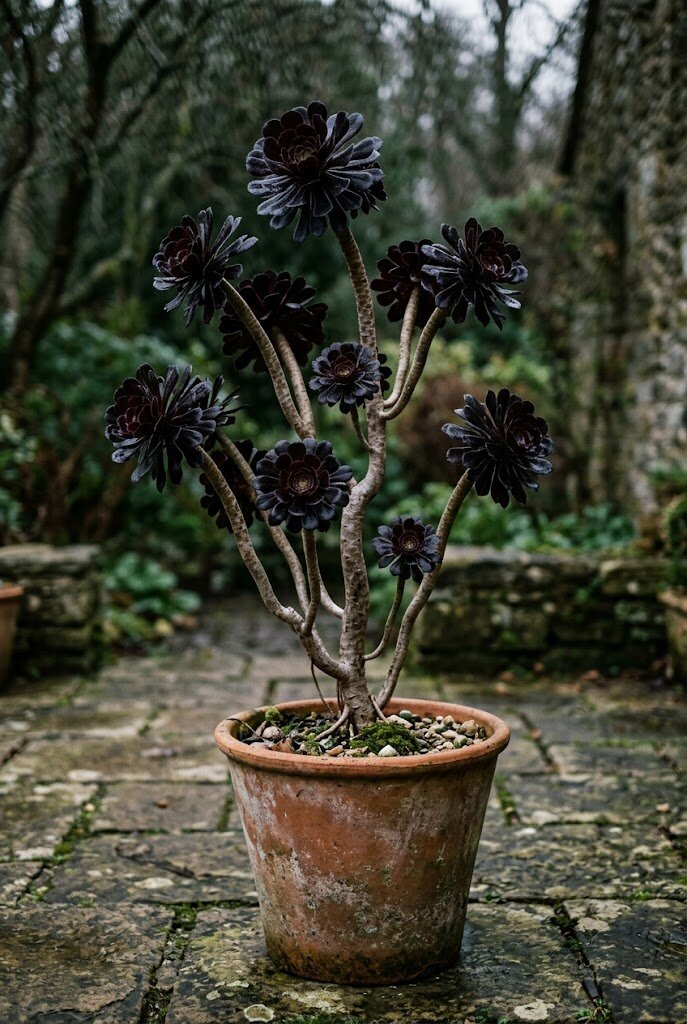
Aeonium is one of the few succulents that actively grows through winter and goes partially dormant in summer heat, making it an excellent container choice for the UK, Pacific Northwest USA, coastal California, and other regions with mild, wet winters and dry summers. Its large, flat rosettes — ranging from bright chartreuse to near-black in dark varieties like Aeonium 'Zwartkop' — form on branching stems and can reach impressive sizes in a relatively small container. Unlike most succulents, Aeonium actually prefers more water during its winter growing season and tolerates partial shade better than full scorching sun, which makes it useful for partially shaded patios and porches where other succulents would struggle.
10. Gasteria — The Toughest Low-Light Indoor Succulent
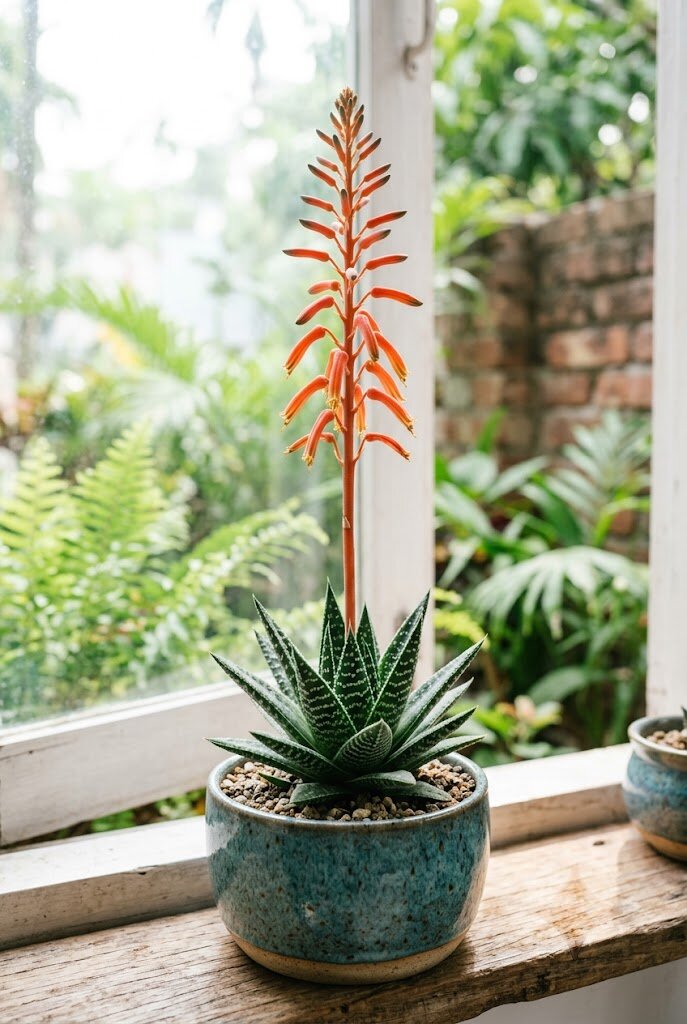
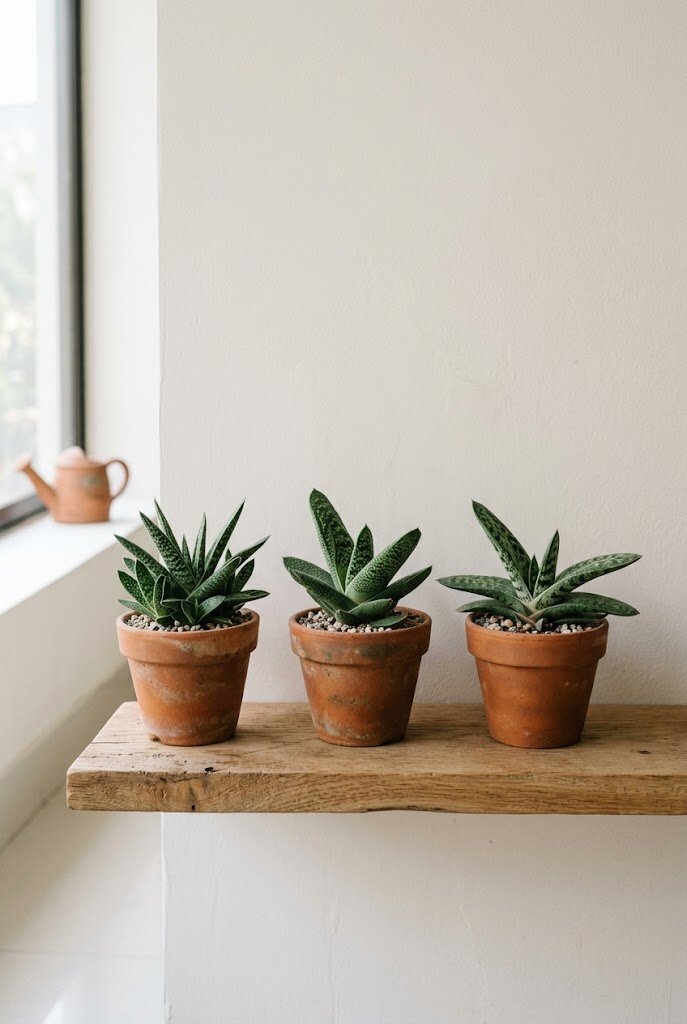
Gasteria is often described as "Haworthia's tougher cousin" because it tolerates even lower light levels and more neglect than most other succulents while still producing attractive, tongue-shaped leaves with distinctive speckled or banded patterns. It grows slowly, stays small (most varieties reach 6 to 12 inches), and produces tubular orange-red flowers on tall stems in spring — a surprise bonus for what most people assume is purely a foliage plant. Gasteria is ideal for indoor pots in offices, hallways, or rooms without reliable direct sun, where it will hold on and look healthy far longer than almost any other succulent you could try in the same spot.
11. Sedum Morganianum (Burro's Tail) — The Best Trailing Succulent
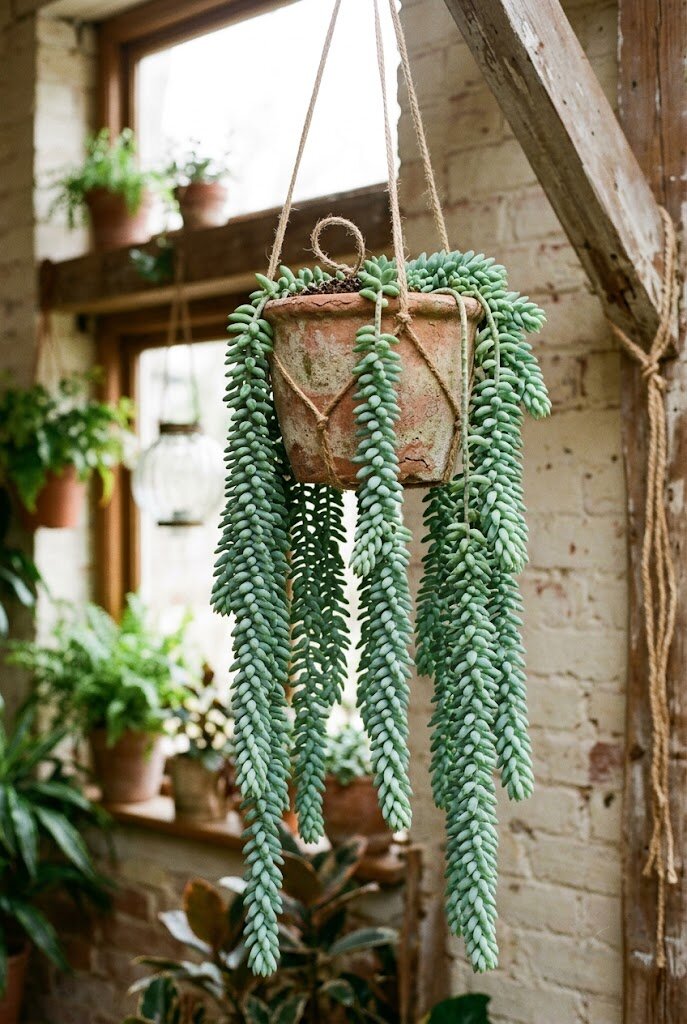
Burro's Tail is the most popular trailing succulent for hanging baskets and shelf displays, producing long strands of overlapping, plump blue-green leaves that spill dramatically downward and can reach 3 to 4 feet in length on a mature plant. The individual leaves are fragile and drop easily when touched, so hanging the pot somewhere it won't be bumped and handling it as little as possible keeps the strands looking full and even. It needs bright light to produce its densest, most compact leaf coverage — plants in insufficient light produce thinner, more widely spaced leaves on longer stems. Water sparingly and allow the soil to dry thoroughly between waterings.
12. Graptoveria — Beautiful Hybrid Rosettes With Extra Color
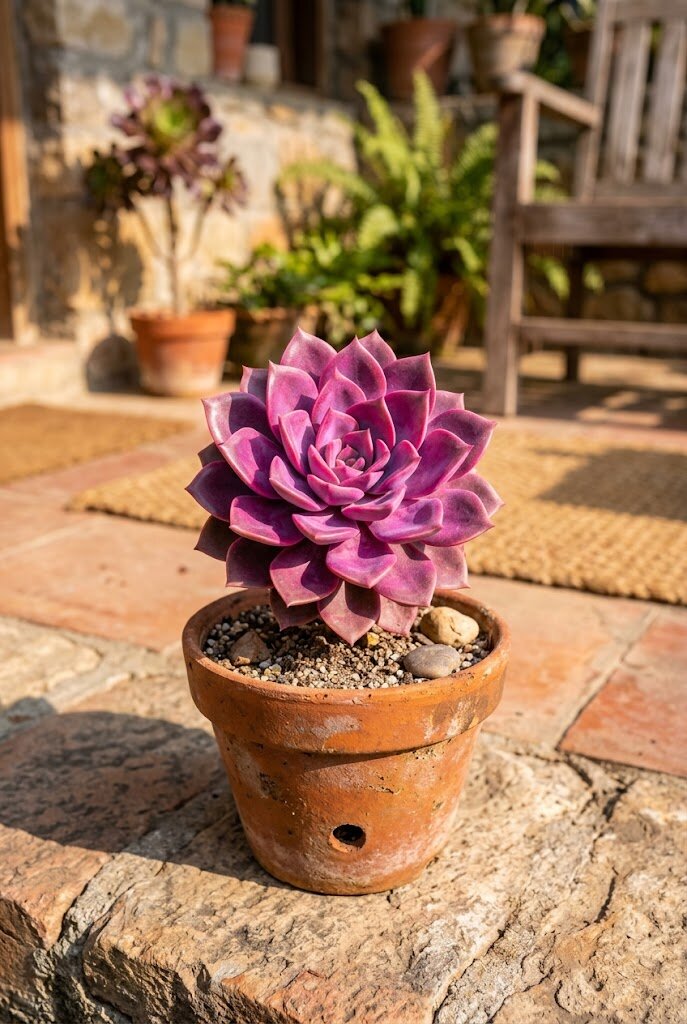
Graptoveria is a hybrid cross between Graptopetalum and Echeveria, combining the compact rosette shape of Echeveria with the more vivid stress coloring and slightly thicker, more robust leaves of Graptopetalum. Popular varieties like 'Debbie' (pink-purple), 'Fred Ives' (peachy-bronze), and 'California Sunset' (orange-pink) develop especially intense color when given full sun and cooler temperatures. They grow slightly faster than pure Echeveria varieties and offset more readily, meaning a single plant will fill a pot with a family of rosettes within one or two growing seasons. Care requirements are identical to Echeveria — bright sun, excellent drainage, and infrequent deep watering.
13. Kalanchoe Blossfeldiana — The Flowering Succulent For Indoor Pots
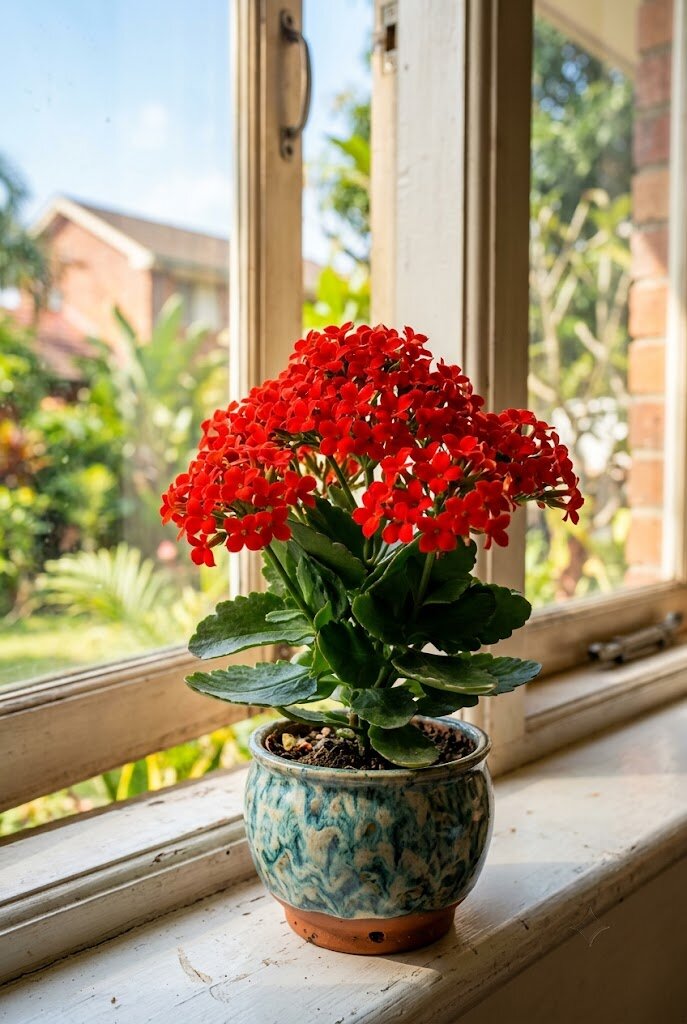
Kalanchoe blossfeldiana is the most widely sold flowering succulent in the world, available at virtually every garden center and grocery store in clusters of bright red, orange, yellow, pink, and white blooms that last for months with very little care. Unlike most succulents which are grown primarily for foliage, Kalanchoe is prized for its dense heads of long-lasting flowers that add color to an indoor pot even in lower-light conditions. After flowering, trim back the spent stalks and reduce watering until new growth appears. It can be coaxed into reflowering by giving it a period of longer dark nights for several weeks, which triggers the plant's natural blooming cycle.
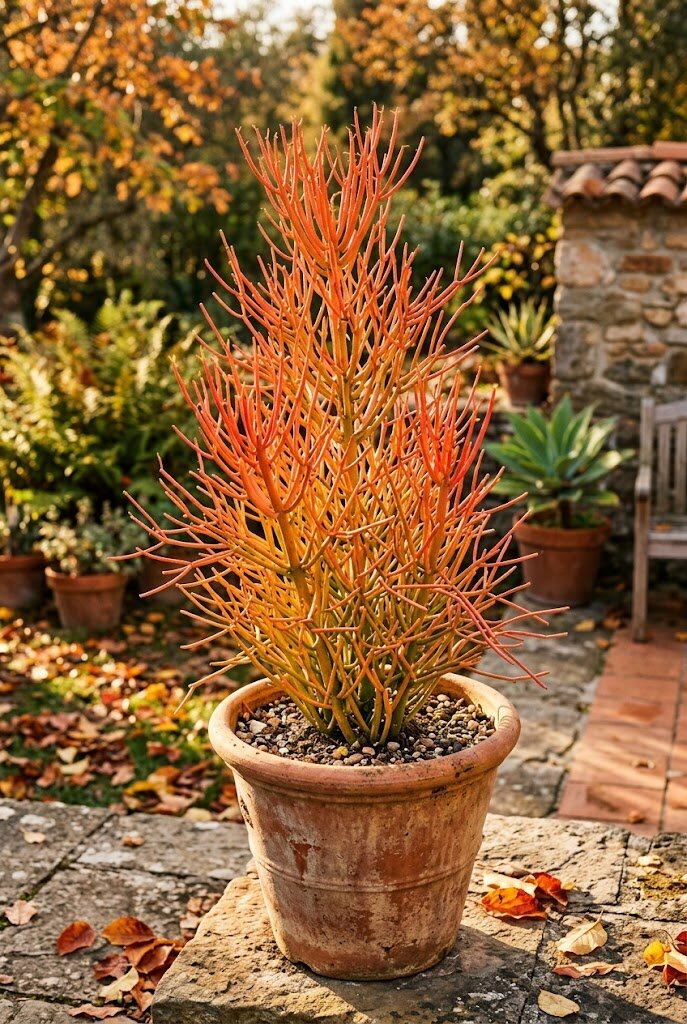
14. Euphorbia Tirucalli (Sticks On Fire) — The Bold Color Accent
Sticks on Fire is one of the most visually striking succulents for a large container, producing pencil-thin cylindrical stems in vivid orange-red, yellow, and green that look more like abstract art than a plant. The coloring is most intense in full sun and cool temperatures, often fading to green in summer heat and flaring back to brilliant orange and red in fall and winter. It can grow quite tall — reaching 5 to 8 feet outdoors — but grows much more slowly in a container, making it a manageable specimen plant for a sunny patio. Important note: the milky white sap is toxic and a severe skin and eye irritant, so always wear gloves and eye protection when handling or pruning this plant.
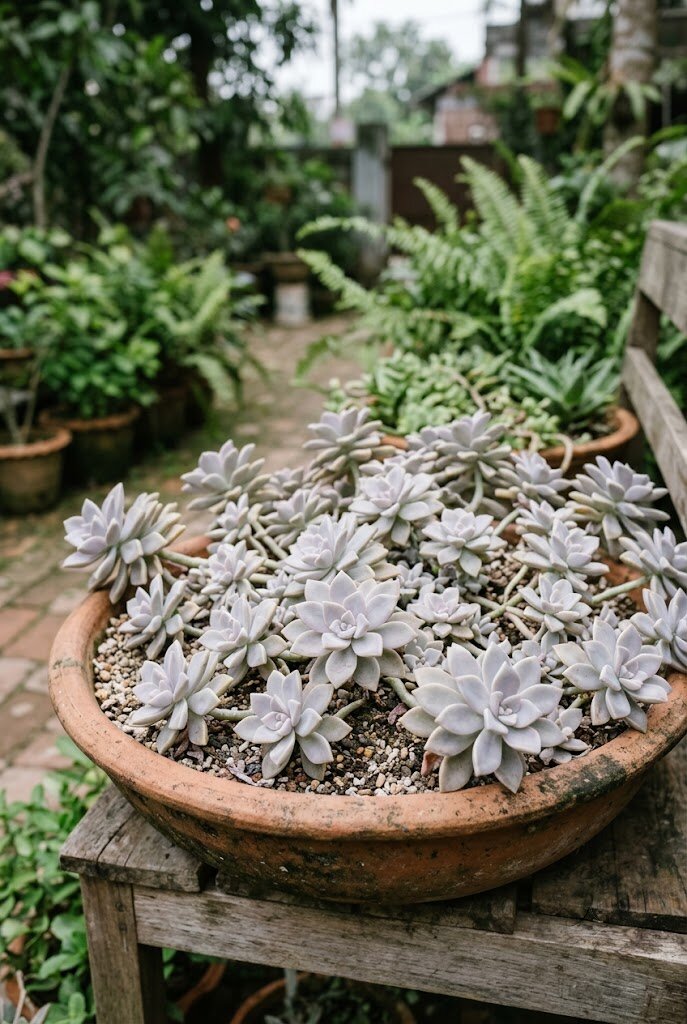
15. Graptopetalum Paraguayense (Ghost Plant) — Easy Pastel Beauty
Ghost Plant is one of the most forgiving and beginner-friendly succulents available, producing loose rosettes of thick, pointed leaves in dusty lavender-grey, pale blue, and pinkish-peach tones that shift depending on light levels and temperature. It offsets prolifically and spreads easily, quickly filling a wide, shallow container with an attractive, natural-looking arrangement without any effort on your part. Unlike many more delicate rosette succulents, Ghost Plant tolerates inconsistent watering, lower light, and heat reasonably well, which makes it an excellent first succulent for someone new to growing them in pots. It also roots extremely easily from fallen leaves, making it simple to propagate and share.
Get this look 👇
Hoffman 10404 Organic Cactus And Succulent Soil Mix, 4 Quarts
Check latest price on Amazon
One of the most consistently recommended succulent potting mixes online — pre-blended with perlite and sand for fast drainage right out of the bag. No additional amendment needed for most rosette-type succulents like Echeveria and Sedum.
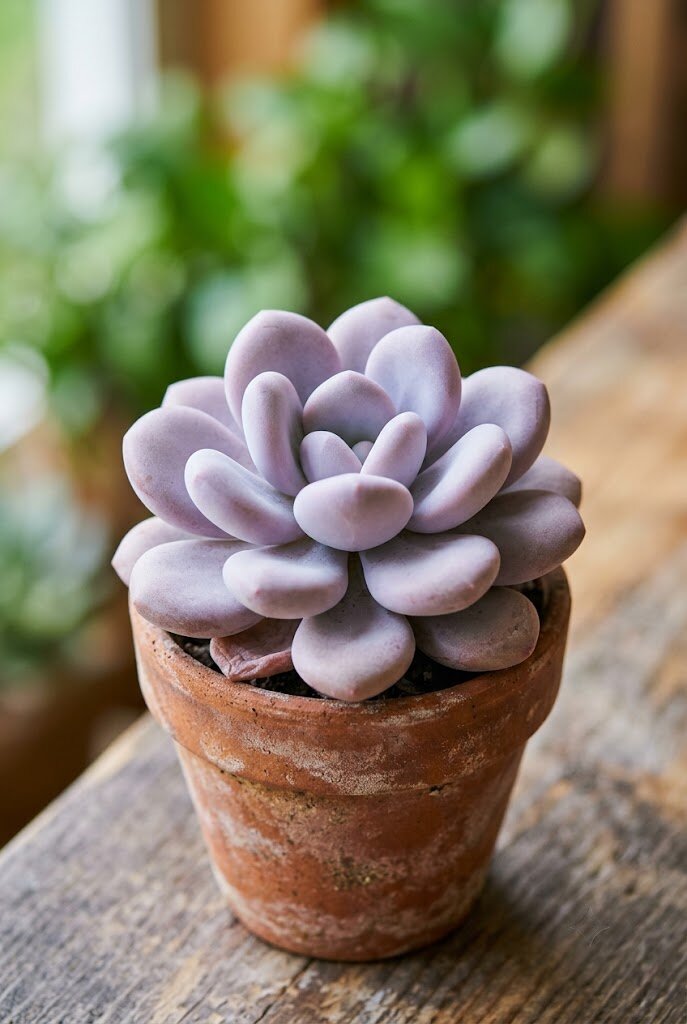
This exact succulent soil mix →16. Pachyphytum Oviferum (Moonstones) — Jewel-Like Pebble Succulent
Pachyphytum oviferum, commonly called Moonstones or Sugar Almond Plant, produces the most jewel-like leaves of any container succulent — thick, rounded, egg-shaped leaves in pale lavender, pink, and peach tones with a powdery coating (called farina) that gives the whole plant a dreamlike, almost artificial appearance. The farina is delicate and smudges permanently when touched, so handle the leaves as little as possible and water from the base or at the soil level rather than misting or watering over the top. It needs bright sun to maintain its pastel tones — plants in insufficient light turn green and lose the distinctive rounded, plump shape that makes this variety so appealing.
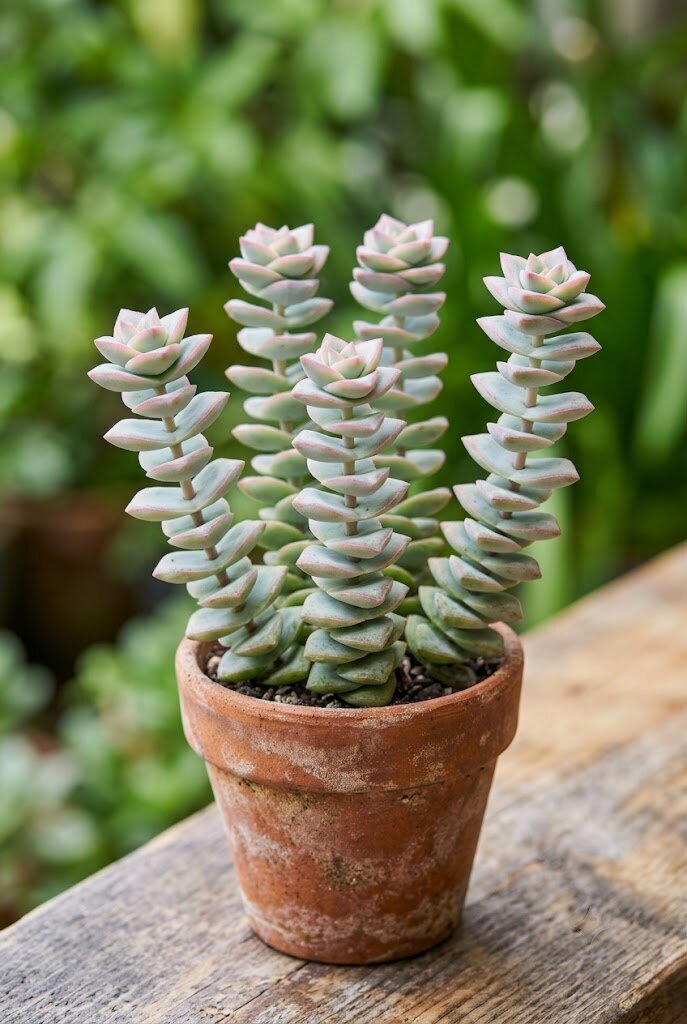
17. Crassula Perforata (String Of Buttons) — Stacked Geometric Succulent
Crassula perforata, called String of Buttons, has one of the most distinctive growth habits of any container succulent — its triangular blue-green leaves are stacked in alternating pairs along upright stems, creating a geometric spiral pattern that looks more like a 3D printout than a plant. The leaf edges often develop pink or yellow tones in bright light, adding a warm color contrast to the cool blue-green base. It grows upright at first, then becomes loosely trailing as stems lengthen, making it attractive in both standard pots and hanging arrangements. String of Buttons is very easy to grow, tolerating the same infrequent watering and bright light conditions as most Echeveria and Sedum varieties.
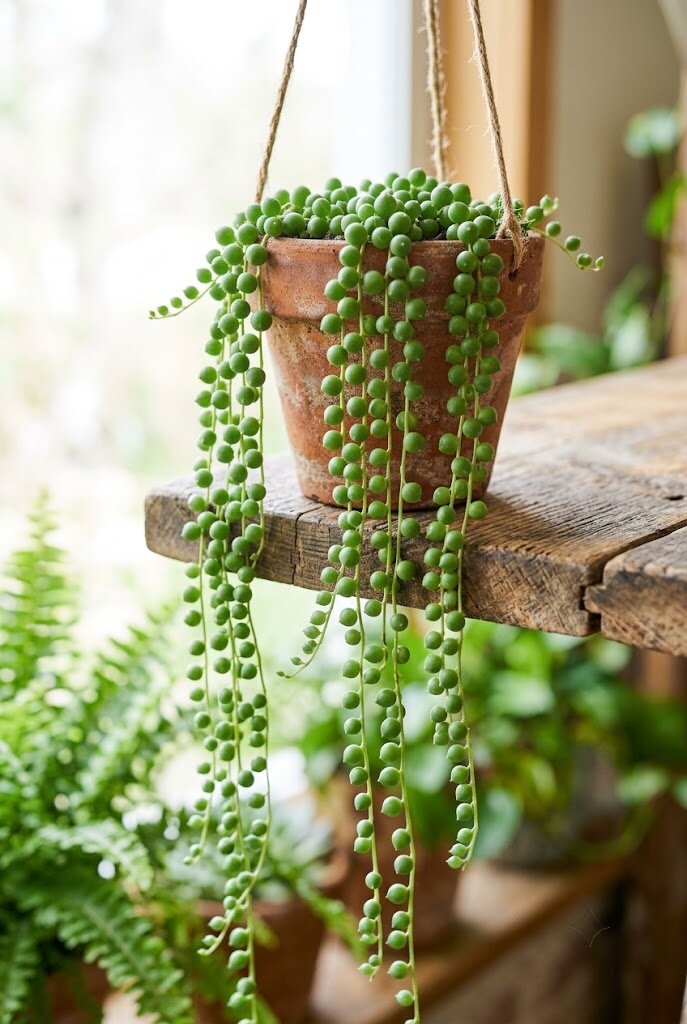
18. Senecio Rowleyanus (String Of Pearls) — The Showstopping Hanging Succulent
String of Pearls is one of the most eye-catching succulents you can grow in a hanging pot, producing long, bead-like chains of perfectly round, pea-sized leaves that cascade from a pot or shelf in a waterfall of green spheres. Each "pearl" is a modified leaf designed to store water, giving the plant its characteristic bobble-chain appearance that never fails to attract attention and questions from visitors. String of Pearls is best displayed in a hanging pot or on a high shelf where the strands can hang freely — the longer the display height, the more dramatic the effect. It requires excellent drainage, very infrequent watering, and bright indirect light to produce its best growth without rot.
19. Dudleya — The Silver-Leaved California Native For Coastal Gardens
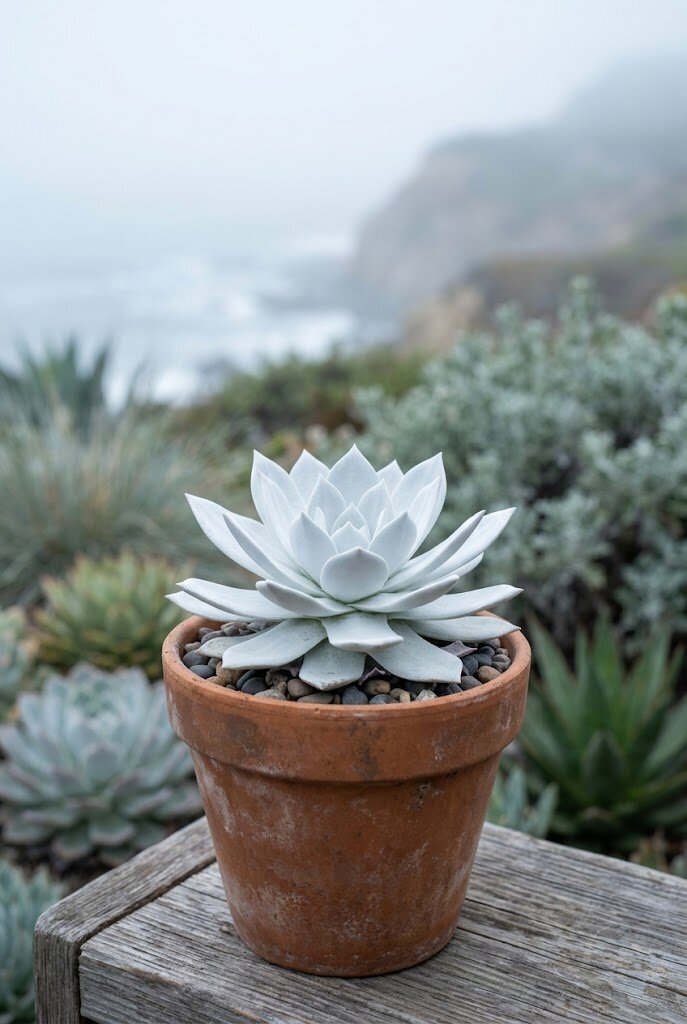
Dudleya, often called Live-Forever or Chalk Dudleya, is a native California succulent that produces flat rosettes of chalky silver-white leaves so thickly coated in farina that the whole plant appears almost silver or white. It is one of the best container succulents for coastal gardens and in the UK, where cool temperatures, fog, and mild winters suit its natural habitat perfectly — Dudleya actually resents the hot, dry inland summers that many other succulents love. The white coating is an adaptation to reflect intense sun and heat, so never remove or wipe the farina off, and water from below the rosette rather than overhead to preserve it. Dudleya produces tall spikes of yellow or red tubular flowers in late spring that attract hummingbirds.
20. Mixed Succulent Bowl — The Instant Statement Arrangement
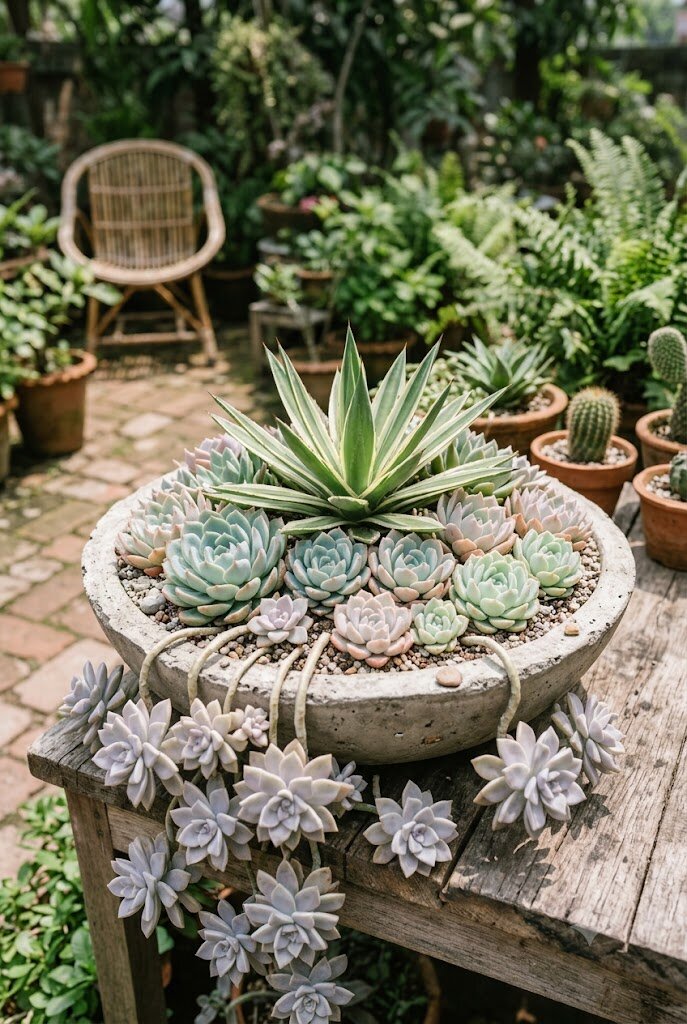
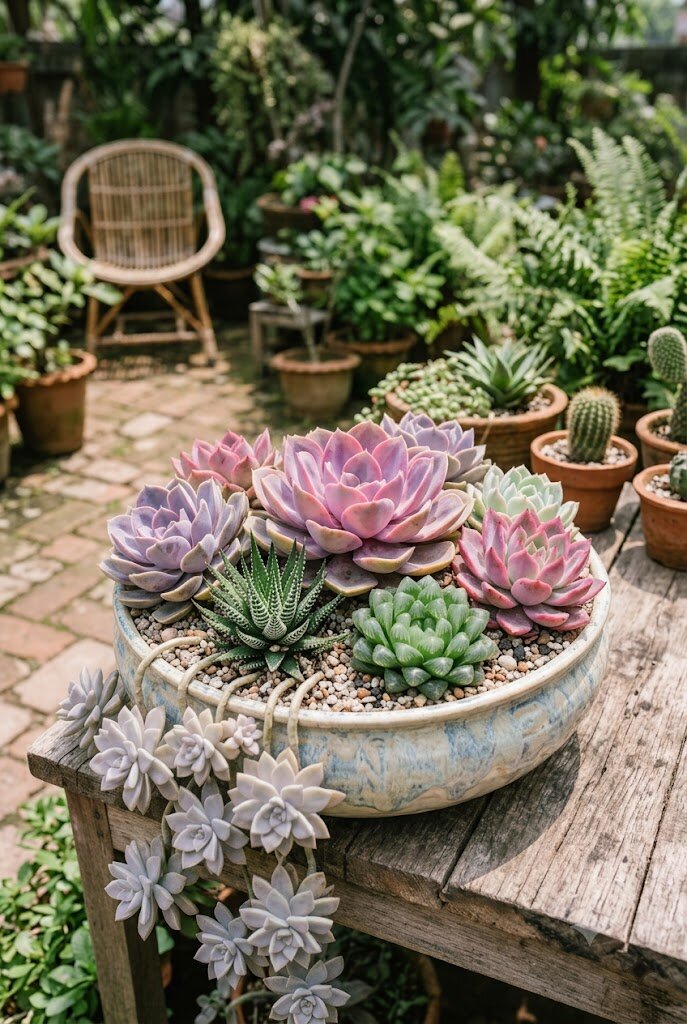
A wide, shallow bowl planted with five to eight different succulent varieties is one of the most popular and visually impressive ways to display succulents in a container, creating a miniature garden that can sit on a patio table, front step, or outdoor dining area. Choose a central tall or architectural variety (like a small Agave or upright Aloe) as the focal point, surround it with two or three rosette types (Echeveria, Sempervivum, or Graptoveria) in contrasting colors, and tuck a trailing variety (Sedum or Ghost Plant) at the edges to spill slightly over the rim. Use a single cactus mix throughout the bowl and ensure the container has at least two drainage holes to prevent waterlogging in the center.
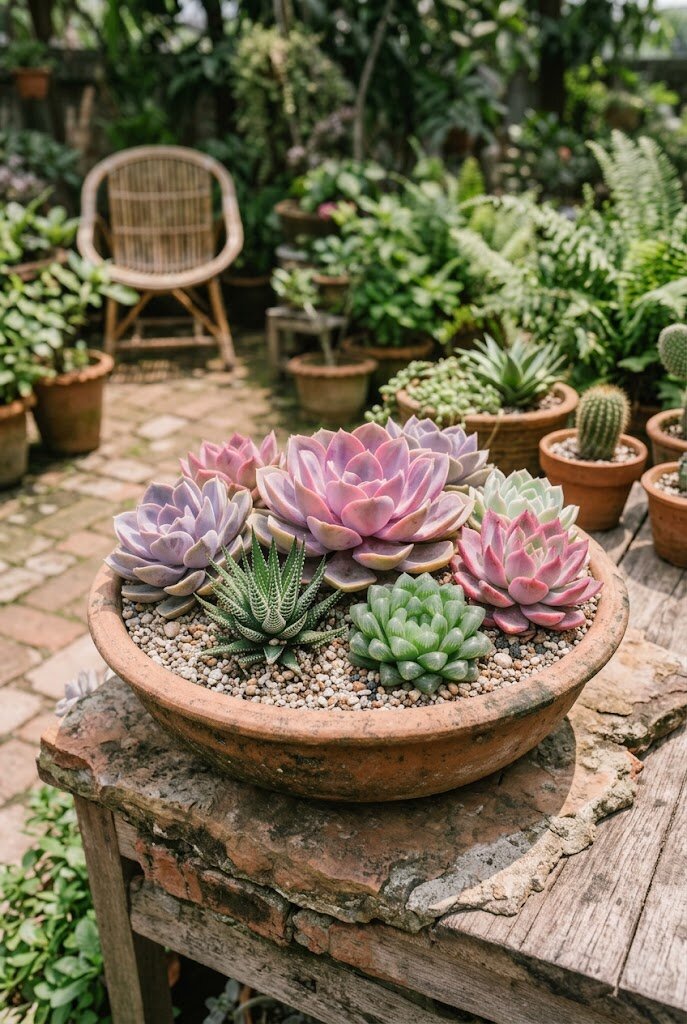
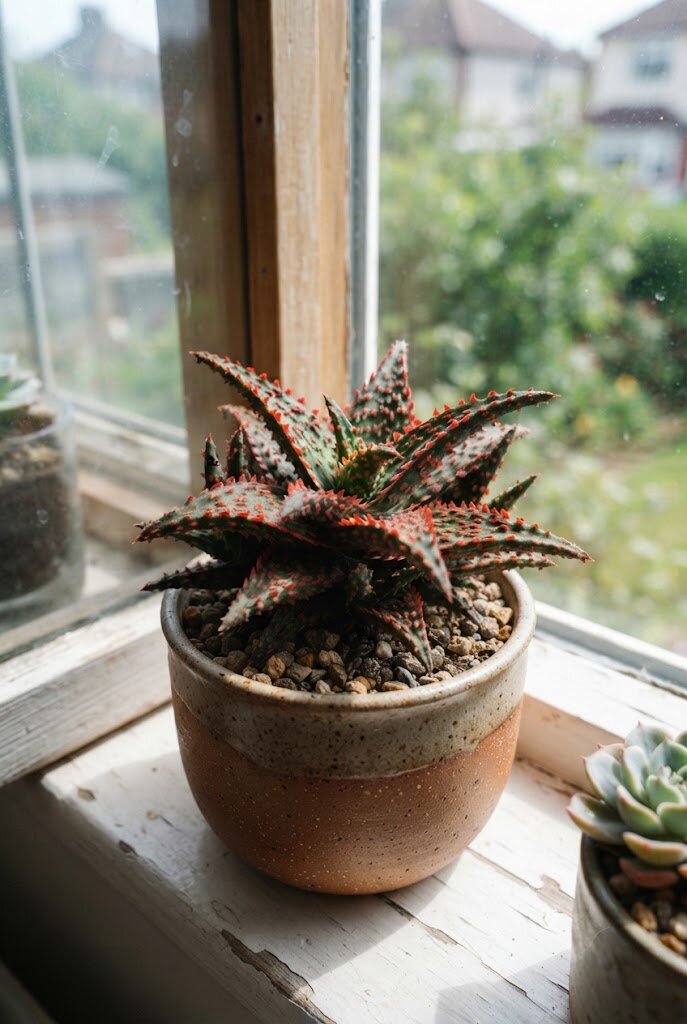
21. Aloe 'Christmas Carol' — The Compact Aloe For Small Pots
Aloe 'Christmas Carol' is a compact hybrid Aloe that stays under 8 inches wide, making it one of the few Aloe varieties genuinely suited to small to medium indoor pots without quickly outgrowing its container. Its dark green leaves are lined with bright red teeth along the edges and develop even deeper red tones when grown in bright light, giving it an almost jewel-like appearance that standard Aloe vera can't match. It produces tall orange-red flower spikes in winter — hence the name — that add unexpected seasonal color to an indoor collection. Unlike many smaller succulent varieties, Compact Aloe has enough substance and height to make an impact as a solo specimen plant rather than needing to be grouped with others.
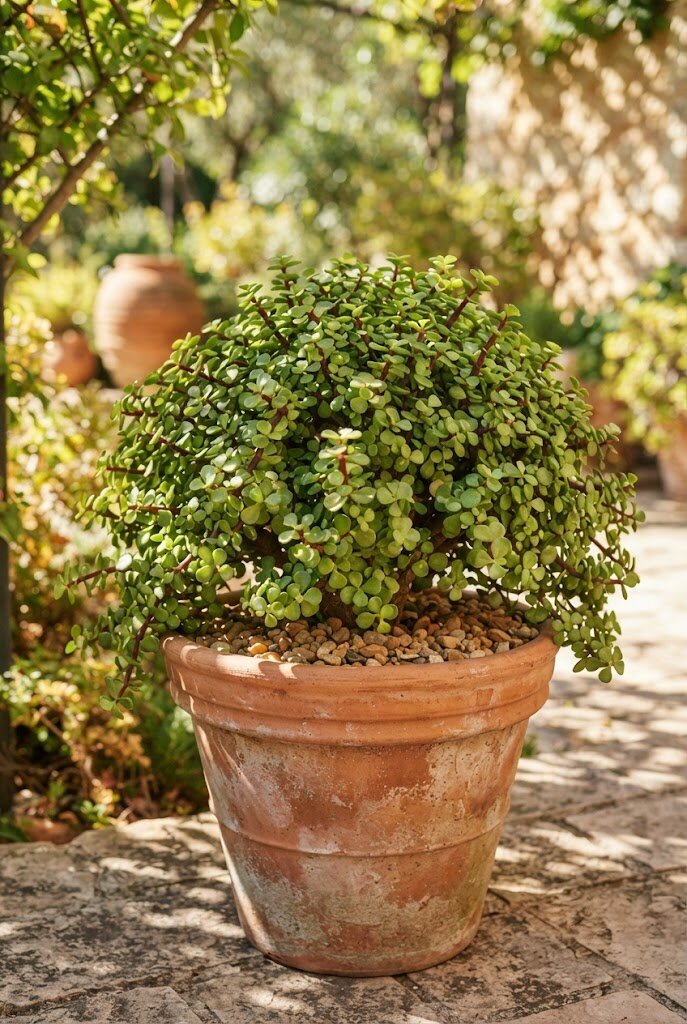
22. Portulacaria Afra (Elephant Bush) — The Large Outdoor Container Succulent
Portulacaria afra, called Elephant Bush or Dwarf Jade, looks remarkably like a Jade Plant but grows faster, tolerates more sun, and is more drought-tolerant, making it a better choice for a large outdoor container where you want a substantial woody succulent plant quickly. Its small, round, bright green leaves cover densely branching burgundy stems, creating a naturally attractive, bonsai-like form without much intervention. In frost-free climates it can be left outdoors year-round; in colder areas it makes an excellent container plant that moves indoors before the first frost. Trim freely to shape — every cutting can be easily rooted to make new plants.
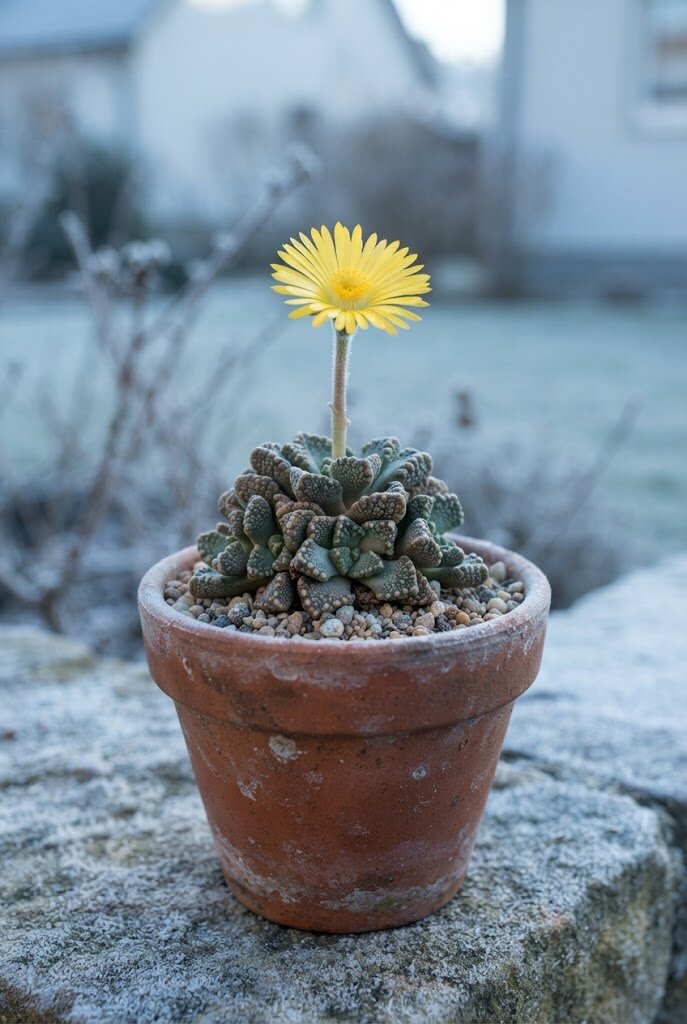
23. Aloinopsis — The Tiny Winter-Flowering Alpine Succulent
Aloinopsis is a small, compact succulent native to South Africa that produces fat, wart-textured leaves close to the ground and rewards patient growers with an abundance of showy, daisy-like flowers in winter and early spring — unusual timing that makes it an interesting contrast to the spring and summer bloomers that dominate most succulent collections. It stays very small (2 to 4 inches wide) and suits tiny individual pots or gritty alpine troughs. Aloinopsis is one of the more cold-hardy winter-flowering succulents and can tolerate light frost, making it worth trying in outdoor containers in USDA zones 7 and above.
24. Cotyledon Orbiculata (Pig's Ear) — Bold Silver Rosette Succulent
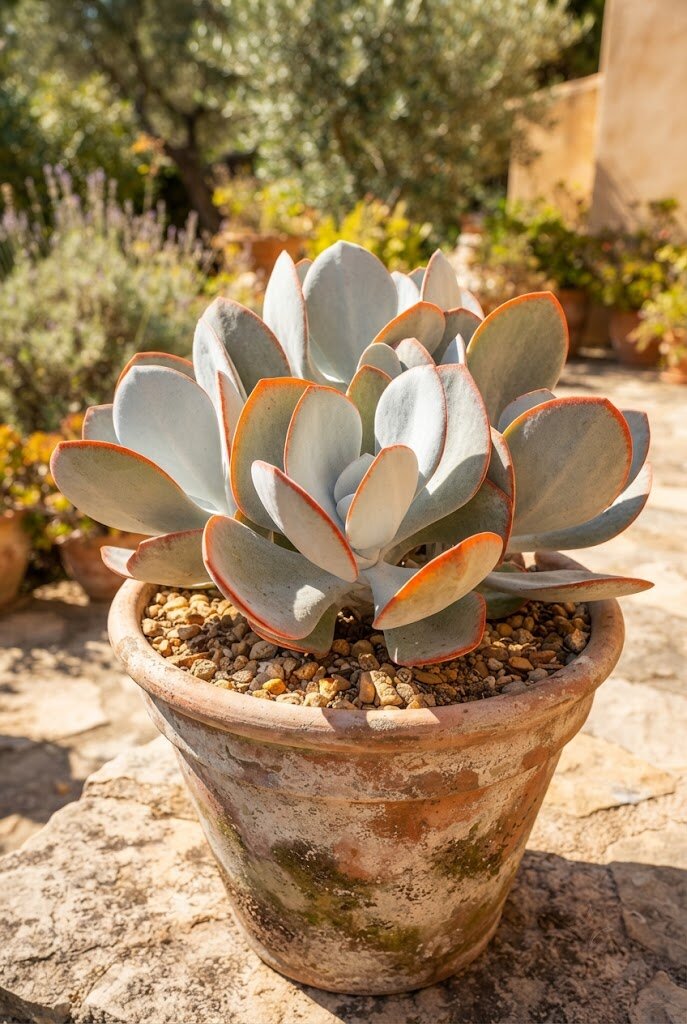
Cotyledon orbiculata produces large, paddle-shaped leaves in striking silvery-grey with red or orange edges, creating a bold, architectural look in a medium to large pot that stands out immediately against a dark wall or wood deck. It is more shrubby than rosette-forming — stems branch and lengthen with age, eventually reaching 2 to 3 feet in a large container — and produces pendulous orange-red tubular flowers on tall stems in summer that attract pollinators. Cotyledon needs full sun and very fast drainage to perform well and is best suited to outdoor containers in dry, warm climates. Bring it indoors to a bright, sunny window before the first frost in cold winter regions.
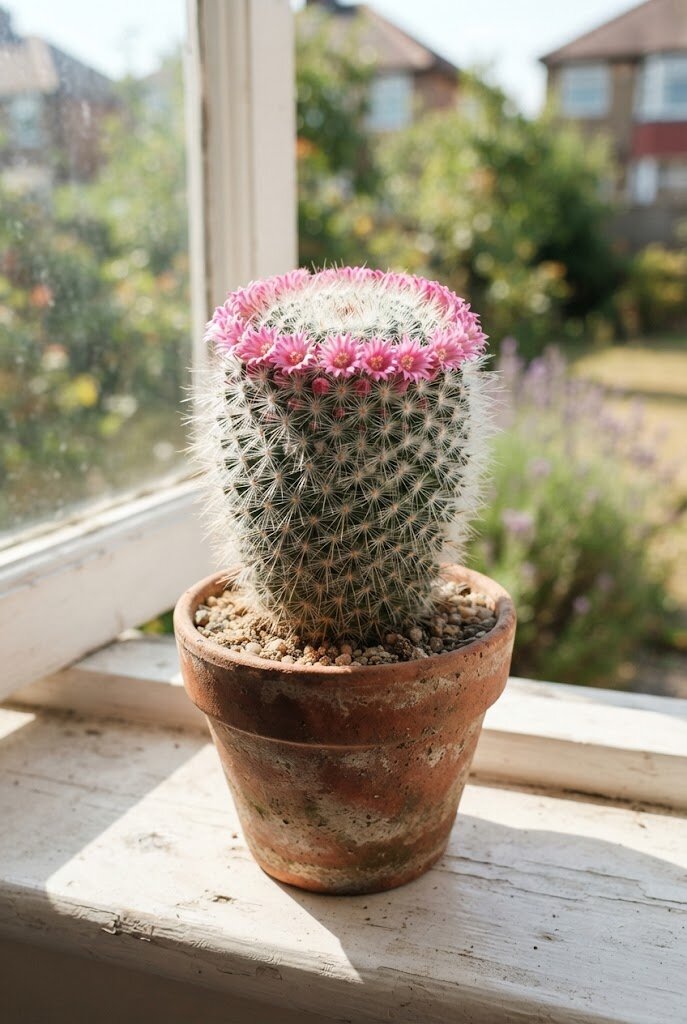
25. Mammillaria (Pincushion Cactus) — The Easiest Cactus For Pots
Mammillaria is technically a cactus rather than a succulent, but it appears consistently on best-of lists for container growing because its small, globular form fits even the tiniest pots perfectly and it produces a halo of small pink, red, or white flowers around its crown in spring with very little effort required. Most Mammillaria varieties stay under 6 inches wide for many years, making them ideal for windowsill collections where space is limited. They need very bright light, extremely fast-draining cactus mix, and almost no water in winter — a common mistake is watering through winter dormancy, which combined with low light causes the body to soften and rot. Handle carefully: most varieties have hooked spines that catch on skin.
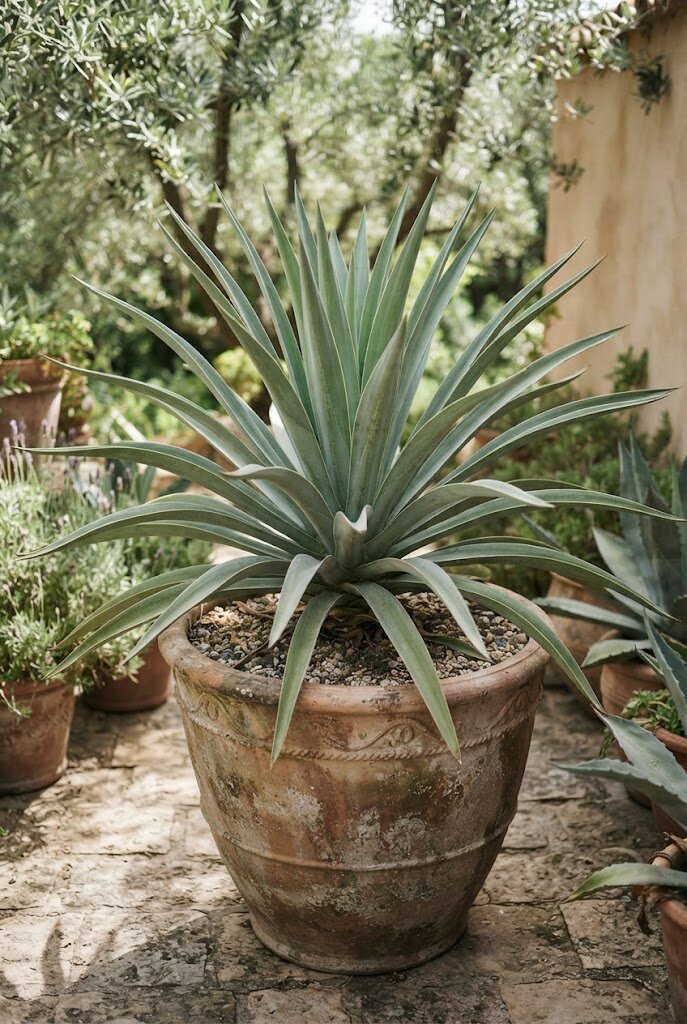
26. Beschorneria Yuccoides — The Hardy Dramatic Statement Succulent
Beschorneria yuccoides is a large, yucca-like succulent that produces long arching grey-green leaves from a central crown, eventually reaching 3 to 4 feet wide in a large container — making it one of the most dramatic statement succulent container plants available in colder climates. It is surprisingly cold-hardy, surviving outdoor winters in USDA zones 7 and above without protection, which makes it one of very few large architectural succulents that can stay in an outdoor pot year-round in the UK, Pacific Northwest, and upper South USA. In early summer it sends up a spectacular 6-foot flower spike in coral-pink and green that is one of the most striking blooms of any succulent. Give it a very large, heavy planter to match its eventual size and weight.
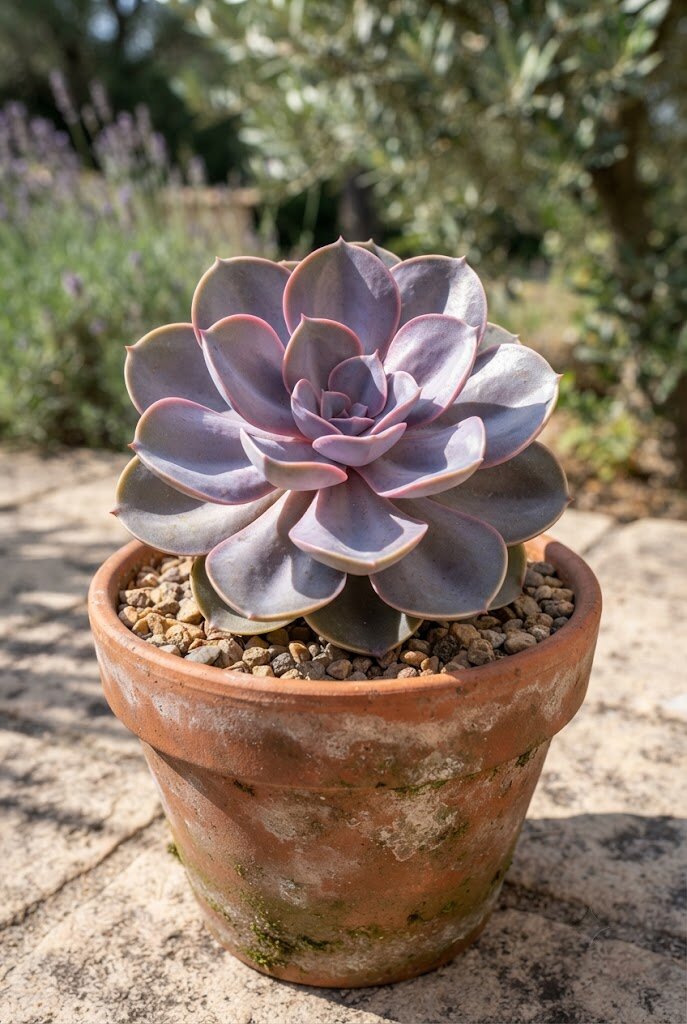
27. Echeveria 'Perle Von Nürnberg' — The Most Popular Named Variety
Echeveria 'Perle Von Nürnberg' is consistently one of the top-selling named succulent varieties worldwide, producing rosettes of pointed, dusty lavender-pink to peach-purple leaves that shift color dramatically depending on sun intensity and temperature. At its best in strong outdoor light, it takes on an almost metallic purple-pink sheen that photographs beautifully and makes it a favorite subject for plant macro photography and Pinterest flat-lays. It stays compact — 4 to 6 inches wide — and produces slender orange-pink flower stalks in summer. Like all Echeveria, it needs excellent drainage, bright light, and infrequent watering. Propagates easily from leaf cuttings placed on the surface of cactus mix.
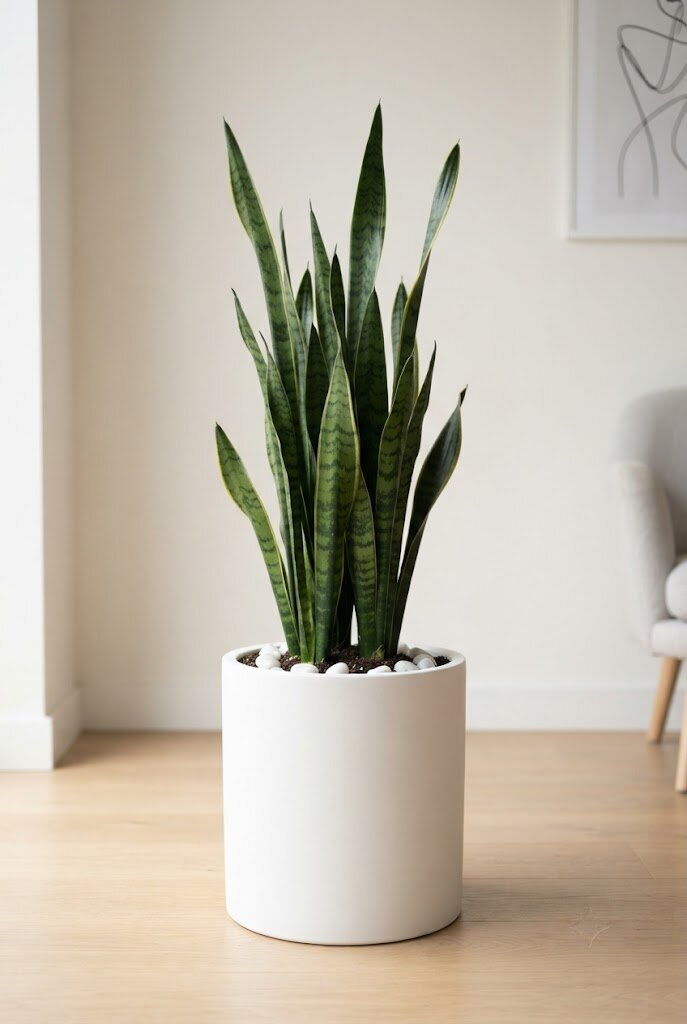
28. Sansevieria (Snake Plant) — The Ultimate Low-Maintenance Indoor Pot Succulent
Sansevieria (now reclassified as Dracaena in botanical nomenclature but still widely sold under the old name) is the most tolerant of all succulent-like indoor plants, genuinely thriving in low light, irregular watering, low humidity, and temperature fluctuations that would kill most other plants. Its upright, sword-shaped leaves in dark green with lighter banding create a clean, architectural look in a pot that suits both minimalist modern interiors and more traditional settings equally well. Smaller varieties like Sansevieria 'Hahnii' (Bird's Nest Snake Plant) stay under 12 inches and suit a desk or shelf beautifully. It is also one of the most effective air-purifying plants for indoor spaces according to frequently cited NASA research.
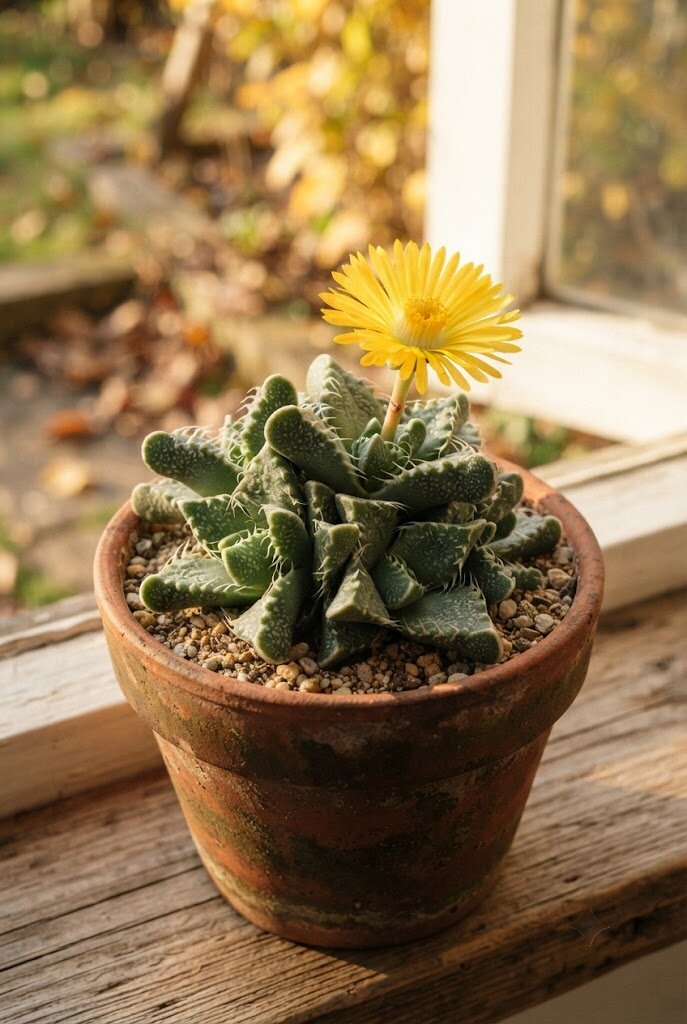
29. Faucaria (Tiger Jaws) — The Tiny Fierce-Looking Succulent
Faucaria, called Tiger Jaws, is one of the most characterful small succulents for a pot, producing chunky, triangular leaves lined with soft teeth along their edges that make each leaf pair look like an open jaw — giving the plant both its common name and an irresistible personality that makes it a favorite for collecting. Despite its fierce appearance, the "teeth" are soft and harmless. It stays very compact (under 4 inches wide) and produces bright yellow flowers in autumn that are large relative to the plant's size. Tiger Jaws needs full sun and near-total neglect of watering in winter to perform well — overwatering in winter is the most common way to kill it.
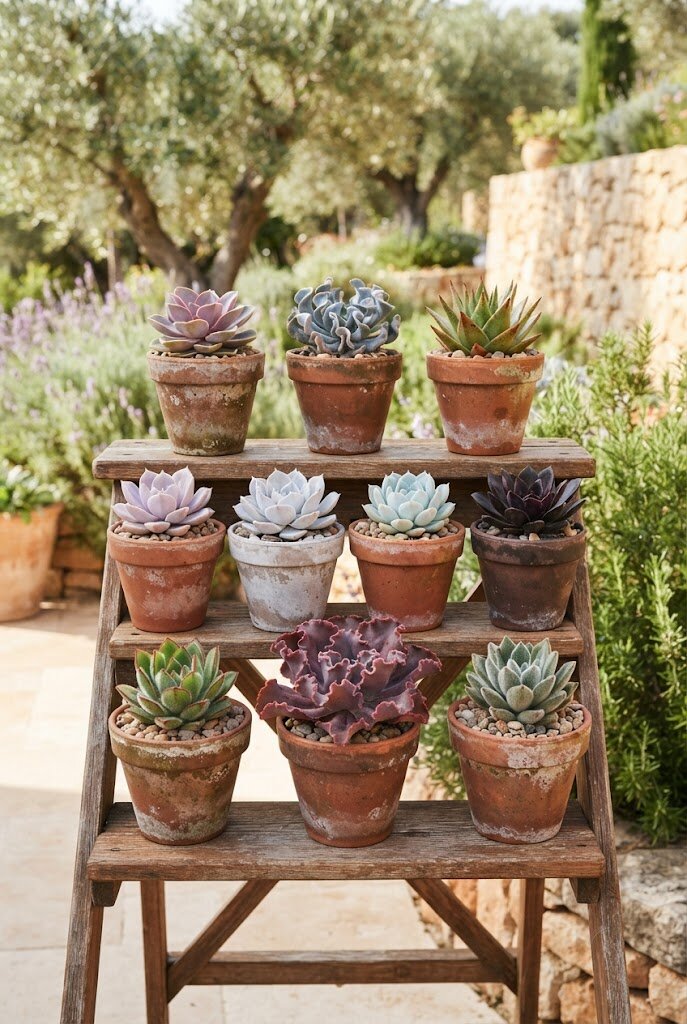
30. Echeveria Collection Display — The Pinterest-Perfect Shelf Or Patio Display
A curated collection of 8 to 12 different Echeveria varieties displayed together on a tiered outdoor plant stand, wooden crate steps, or a sunny window ledge is one of the most visually impressive and easily achievable succulent displays you can create. Because all Echeveria varieties share identical care requirements — bright sun, fast-draining soil, infrequent watering — grouping different varieties together in individual terracotta pots is far simpler than mixing different plant genera with different needs. Vary pot sizes slightly (2-inch to 4-inch pots) and mix sizes, colors, and leaf shapes — smooth and matte vs. ruffled, blue vs. pink vs. red — for a collection that looks deliberately curated rather than randomly assembled. Top-dress each pot with a thin layer of fine gravel or grit for a clean, cohesive look across the collection.
Step-By-Step: Creating A Succulent Container Garden
Follow these steps to build a thriving, beautiful succulent container display from scratch:
- Choose your location first: Measure how many hours of direct sun your chosen spot receives, then select succulent varieties matched to that light level before buying any plants.
- Select the right pot: Terracotta pots with at least one drainage hole are the safest choice for beginners. For mixed arrangements, choose a wide, shallow pot — 8 to 12 inches wide — over a tall, narrow one.
- Prepare your soil mix: Use a pre-made cactus and succulent potting mix, or mix regular potting soil with coarse perlite at a 1:1 ratio. Fill the pot to about 1 inch below the rim.
- Plan your arrangement before planting: For a mixed bowl, set your chosen plants (still in their nursery pots) in the container first and adjust placement until you're happy with the arrangement before removing them from their pots.
- Plant your succulents: Remove each plant from its nursery pot, gently loosen the roots if tightly packed, and set at the same depth it was growing in the nursery pot. Fill around the roots with your soil mix and firm gently.
- Add a top-dressing: A layer of fine gravel, grit, or decorative sand on top of the soil keeps the base of the plants dry, discourages pests, and gives the finished pot a polished, editorial look.
- Wait before the first watering: Let the freshly planted succulent settle for 3 to 5 days before the first watering, which allows any damaged roots from transplanting to callus over and reduces rot risk.
8 Common Mistakes That Kill Container Succulents
- Overwatering: By far the most common cause of succulent death — water only when the soil has dried out completely to the bottom of the pot.
- Using regular potting soil without amendment: Standard potting soil holds too much moisture for succulents; always use cactus mix or add 50% perlite.
- No drainage holes: Even the most careful watering routine cannot compensate for a pot without drainage — water will eventually pool and rot the roots.
- Insufficient light: Most succulents need at least 4 to 6 hours of bright light daily; leggy, pale growth is the most common sign of too little light.
- Watering in winter when plants are dormant: Most succulents rest in winter and need very little to no water during this period — watering as you would in summer is a fast way to kill them.
- Using a pot that is too large: An oversized pot holds too much soil moisture around the roots; choose a pot only slightly larger than the plant's root ball.
- Mixing plants with incompatible needs: Combining a shade-tolerant Haworthia with a full-sun Echeveria in the same bowl means one plant will always be in the wrong conditions.
- Not checking for pests: Mealybugs are the most common succulent pest — check the undersides of leaves and where leaves meet the stem, and treat with diluted isopropyl alcohol at the first sign.
The single most useful thing you can do when starting a succulent collection is to use a moisture meter instead of guessing when to water — insert the probe to the bottom of the pot and only water when it reads dry. This eliminates overwatering almost entirely. For mixed arrangements, group succulents by their water needs rather than by their looks alone — a beautiful arrangement that has to be watered at two different schedules will always have at least one plant struggling.
Succulent Variety Comparison Table
| Variety | Best For | Light Needs | Cold Hardy? | Pot Size | Difficulty |
|---|---|---|---|---|---|
| Echeveria | Outdoor, patio, mixed bowls | Full sun | No (zone 9+) | 2–6 inch | Easy |
| Haworthia | Indoor, low light | Bright indirect | No | 2–4 inch | Very Easy |
| Sempervivum | Cold-climate outdoor pots | Full sun | Yes (zone 3+) | 4–8 inch | Very Easy |
| Aloe Vera | Indoor/outdoor, utility | Bright indirect–full sun | No (zone 9+) | 6–12 inch | Easy |
| Jade Plant | Indoor specimen, long-lived | Bright indirect | No | 6–12+ inch | Easy |
| Sedum | Outdoor, tough conditions | Full sun | Yes (varies) | 4–10 inch | Very Easy |
| Agave | Outdoor statement pot | Full sun | Varies by species | 12–24 inch | Easy |
| Aeonium | Cool climates, partial shade | Partial sun | Zone 9+ | 6–12 inch | Easy |
| Lithops | Specialist collectors | Full sun | No | 3–5 inch | Moderate |
| Burro's Tail | Hanging baskets, shelves | Bright light | No | 6–10 inch hanging | Easy |
| String of Pearls | Hanging display | Bright indirect | No | 6–8 inch hanging | Moderate |
| Kalanchoe | Indoor flowering display | Bright indirect | No | 4–6 inch | Easy |
| Sansevieria | Indoor, any light level | Low–bright | No | 4–12 inch | Very Easy |
| Mammillaria | Windowsill, small pots | Full sun | Varies | 2–4 inch | Easy |
| Graptoveria | Outdoor, colorful displays | Full–partial sun | No (zone 9+) | 3–6 inch | Easy |
Frequently Asked Questions About Succulent Varieties For Pots
Conclusion: Building A Succulent Container Collection That Thrives
The 30 succulent varieties in this guide cover every container situation — from a tiny windowsill pot in a north-facing room to a dramatic architectural statement planter on a sun-baked patio. The common thread that makes all of them work in containers comes down to the same fundamentals: fast-draining soil, a pot with drainage holes, and the restraint to water far less often than feels natural.
Start with one or two varieties that match your actual light conditions — not the ones that look best in photos — and master their care routine before expanding. A single thriving, well-colored Echeveria rosette in the right spot is more satisfying than a dozen struggling plants in the wrong conditions. Once you find your footing, succulent collecting has a way of expanding naturally and happily on its own.
Explore more planting inspiration in our Succulent Garden category, or browse our Balcony Garden ideas and Front Porch plant guides for more container display inspiration.
As an Amazon Associate, Gardenidea may earn from qualifying purchases made through links on this page, at no extra cost to you.